Are you dreaming of juicy, sun-ripened tomatoes bursting with flavor, but lack the space or the time for a traditional garden? Or perhaps you're tired of constantly worrying about whether your tomato plants are getting enough water? Then, the world of self-watering containers might just be your gardening salvation! Let's dive in and explore how you can grow amazing tomatoes using this clever and convenient method. The Magic of Self Watering Containers for Tomato Plants Self-watering containers, sometimes called sub-irrigated planters (SIPs), are designed to provide a consistent and reliable water supply to your plants, minimizing the need for frequent watering and dramatically reducing water waste. For tomato plants, which are known for their thirstiness, this can be a game-changer! The beauty of a tomato plant self watering container lies in its simplicity and efficiency. It essentially creates a mini-reservoir beneath the soil, allowing the plant...
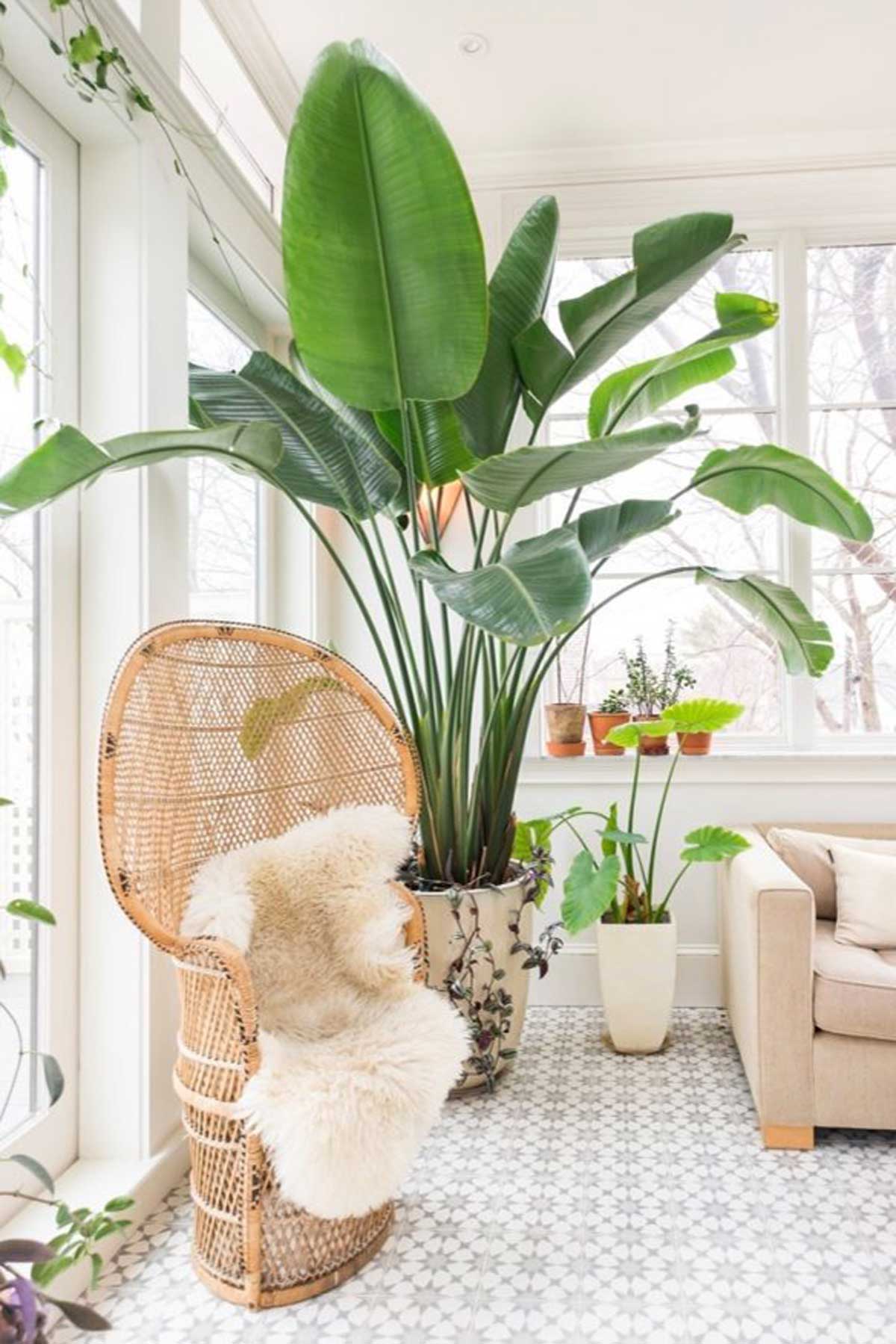
Imagine biting into a juicy, sun-ripened tomato in the middle of winter. Sounds impossible, right? Not anymore! With the right approach, you can cultivate delicious tomatoes right in your own home, no matter the season. Let's explore the wonderful world of indoor tomato growing.
Why Grow Tomatoes Indoors in a Pot?
Growing tomatoes indoors offers a multitude of advantages. It allows you to enjoy fresh, flavorful tomatoes year-round, regardless of your local climate. You have complete control over the growing environment, protecting your plants from pests, diseases, and unpredictable weather. Furthermore, indoor tomato gardening can be a deeply rewarding hobby, providing a connection to nature and a sense of accomplishment. When you grow anindoor tomato pot, you are in charge of the conditions.
Selecting the Right Tomato Variety for Your Indoor Tomato Pot
Not all tomato varieties are created equal when it comes to indoor growing. Determinate, or bush-type, tomatoes are generally better suited for containers than indeterminate, or vining-type, tomatoes. Determinate varieties grow to a specific size and produce their fruit all at once, making them more manageable in a limited space. Indeterminate varieties, on the other hand, continue to grow and produce fruit throughout the season, requiring extensive staking and pruning.
Popular Tomato Varieties for Indoor Pots
Here are a few popular determinate tomato varieties that thrive in indoor pots:
- Tiny Tim: A miniature variety that produces small, cherry-sized tomatoes. Perfect for small spaces.
- Roma: A classic paste tomato ideal for sauces and canning.
- Patio: A compact variety that produces medium-sized tomatoes.
- Bush Early Girl: A reliable early-maturing variety.
- Balcony Tomato: As the name suggests, perfect for compact spaces like a balcony or even a countertop!
Consider also choosing disease-resistant varieties. Look for codes on the seed packet indicating resistance to common tomato diseases, such as V (Verticillium wilt), F (Fusarium wilt), N (Nematodes), and T (Tobacco Mosaic Virus).
Choosing the Best Pot and Soil for Indoor Tomatoes
The size and type of pot, as well as the soil you use, are crucial for successful indoor tomato growing. Choose a pot that is at least 10-12 inches in diameter and depth for determinate varieties. For larger determinate varieties, a 15-20 inch pot is recommended. Make sure the pot has drainage holes to prevent waterlogging, which can lead to root rot. Avoid using garden soil in containers, as it can compact and impede drainage. Instead, use a high-quality potting mix that is lightweight, well-draining, and rich in organic matter. A mix of peat moss, perlite, and vermiculite works well.
Optimizing Your Pot and Soil
Here are some further considerations:
- Pot Material: Plastic pots are lightweight and inexpensive, but they can retain heat. Terra cotta pots are more breathable, allowing for better airflow, but they can dry out more quickly.
- Soil p H: Tomatoes prefer a slightly acidic soil p H of 6.0-6.8. You can test your soil p H with a soil testing kit and adjust it as needed with lime or sulfur.
- Adding Nutrients: Incorporate a slow-release fertilizer into the potting mix at planting time to provide essential nutrients.
You can also consider using self-watering pots, which help to maintain consistent moisture levels in the soil.
Light Requirements for Growing Tomatoes in an Indoor Tomato Pot
Tomatoes need at least 6-8 hours of direct sunlight per day to thrive. If you don't have a sunny window, you'll need to supplement with grow lights. LED grow lights are a good option because they are energy-efficient and produce the full spectrum of light that plants need. Position the grow lights a few inches above the plants and adjust the height as the plants grow. You can use a timer to ensure that the plants receive the correct amount of light each day. If you have a very sunny window, you might need to rotate your tomato plant to ensure even growth. Without proper light, yourindoor tomato pot will struggle.
Understanding Light Spectrum and Intensity
Different wavelengths of light play different roles in plant growth:
- Blue light: Promotes vegetative growth (leaves and stems).
- Red light: Promotes flowering and fruiting.
Full-spectrum LED grow lights provide a balanced combination of blue and red light, ensuring optimal growth and fruit production. The intensity of the light is also important. Use a light meter to measure the light intensity and adjust the position of the grow lights accordingly. Aim for a light intensity of around 200-300 micromoles per square meter per second (µmol/m²/s).
Watering and Fertilizing Your Indoor Tomato Plants
Water tomato plants thoroughly when the top inch of soil feels dry to the touch. Avoid overwatering, as this can lead to root rot. Water at the base of the plant to avoid wetting the foliage, which can promote fungal diseases. Fertilize your tomato plants every 2-3 weeks with a balanced liquid fertilizer, such as a 10-10-10 or 20-20-20 formula. Follow the instructions on the fertilizer label. As your tomato plant begins to produce fruit, you can switch to a fertilizer that is higher in phosphorus and potassium, such as a 5-10-10 formula, to promote fruit development.
Tips for Watering and Fertilizing
- Watering Time: Water early in the morning so that the foliage has time to dry before nightfall.
- Fertilizer Dilution: Always dilute liquid fertilizer according to the instructions on the label. Over-fertilizing can damage your plants.
- Monitoring Soil Moisture: Use a moisture meter to accurately gauge the moisture level of the soil.
Another option is to use a hydroponic system. I've actually been looking into some hydroponic systems myself! The Ahopegarden Indoor Garden Hydroponics Growing System, with its 10 pod capacity, looks like a great way to grow not just tomatoes, but also herbs and lettuce indoors. The built-in LED grow light provides the perfect illumination for optimal growth, and it seems simple enough to use, even for a beginner. You can find this completeindoor hydroponic pot system on Amazon: Ahopegarden Indoor Garden Hydroponics Growing System.
Pollinating Indoor Tomato Plants
Tomatoes are self-pollinating, but they often need a little help to pollinate indoors. Without wind or insects, the pollen may not be adequately dispersed. You can hand-pollinate your tomato plants by gently shaking the plants or using a small paintbrush to transfer pollen from one flower to another. Another option is to use a fan to circulate air around the plants, which can help to disperse the pollen. You should also try to improve the overall airflow around yourindoor tomato pot.
Hand-Pollination Techniques
- Shaking the Plants: Gently shake the entire plant for a few seconds each day.
- Using a Paintbrush: Use a small, soft-bristled paintbrush to collect pollen from the anthers (the pollen-bearing parts of the flower) and transfer it to the stigma (the receptive part of the flower).
- Using a Vibrator: A small electric toothbrush or vibrator can also be used to vibrate the flowers and release pollen.
Pollination is most effective when the air is dry and the temperature is between 70-80°F.
Dealing with Pests and Diseases in Indoor Tomato Pots
Even indoors, tomato plants can be susceptible to pests and diseases. Common pests include aphids, whiteflies, and spider mites. Common diseases include early blight, late blight, and powdery mildew. Inspect your plants regularly for signs of pests or diseases. If you find pests, you can try washing them off with a strong stream of water or using insecticidal soap. For diseases, remove affected leaves and treat the plants with a fungicide. Maintaining good air circulation and avoiding overwatering can help to prevent diseases. When growing in anindoor tomato pot, pest and disease management is easier than outdoors.
Preventative Measures
- Cleanliness: Keep your growing area clean and free of debris.
- Quarantine: Isolate new plants before introducing them to your existing plants.
- Air Circulation: Ensure good air circulation to prevent fungal diseases.
Consider using organic pest control methods whenever possible to avoid harming beneficial insects or contaminating your food.
Harvesting and Enjoying Your Homegrown Tomatoes
Tomatoes are typically ready to harvest when they are fully colored and slightly soft to the touch. Gently twist the tomato from the vine, leaving the stem attached. Store harvested tomatoes at room temperature, away from direct sunlight, for the best flavor. Enjoy your homegrown tomatoes in salads, sandwiches, sauces, or simply eat them fresh off the vine. Growing your own tomatoes indoors is a rewarding experience that allows you to enjoy fresh, flavorful tomatoes year-round. With a little planning and effort, you can successfully grow tomatoes in pots indoors and enjoy the fruits of your labor.
Extending the Harvest
- Succession Planting: Start new tomato plants every few weeks to extend your harvest season.
- Green Tomatoes: You can ripen green tomatoes indoors by placing them in a paper bag with an apple or banana. These fruits release ethylene gas, which promotes ripening.
- Freezing Tomatoes: Freeze excess tomatoes for later use in sauces or soups.
Ultimately, successfully growing tomatoes in anindoor tomato pot comes down to providing the right conditions: adequate light, proper watering, appropriate nutrients, and careful monitoring for pests and diseases. With a little dedication, you'll be enjoying the delicious taste of homegrown tomatoes all year long!