Are you dreaming of juicy, sun-ripened tomatoes bursting with flavor, but lack the space or the time for a traditional garden? Or perhaps you're tired of constantly worrying about whether your tomato plants are getting enough water? Then, the world of self-watering containers might just be your gardening salvation! Let's dive in and explore how you can grow amazing tomatoes using this clever and convenient method. The Magic of Self Watering Containers for Tomato Plants Self-watering containers, sometimes called sub-irrigated planters (SIPs), are designed to provide a consistent and reliable water supply to your plants, minimizing the need for frequent watering and dramatically reducing water waste. For tomato plants, which are known for their thirstiness, this can be a game-changer! The beauty of a tomato plant self watering container lies in its simplicity and efficiency. It essentially creates a mini-reservoir beneath the soil, allowing the plant...
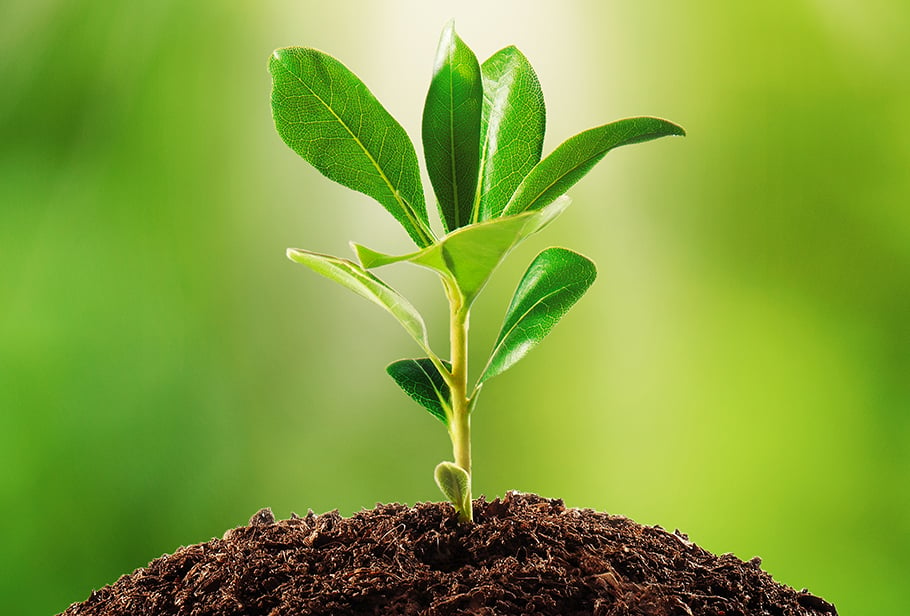
Ever dreamt of biting into a sun-ripened, juicy tomato, bursting with flavor from your own backyard? It's more achievable than you think! Planting small tomato plants is a surprisingly rewarding experience, even for beginners. This guide walks you through every step, ensuring you have a thriving tomato patch in no time.
Choosing the Right Tomato Variety
Before you even think about digging a hole, the first crucial step in how to plant small tomato plants is picking the right variety. The world of tomatoes is vast, with options tailored to different climates, growing spaces, and taste preferences. Consider these factors:
- Determinate vs. Indeterminate: Determinate tomatoes grow to a specific size and produce their fruit all at once, making them ideal for canning. Indeterminate varieties, on the other hand, keep growing and producing tomatoes throughout the season.
- Climate: Some tomatoes are more heat-tolerant or cold-tolerant than others. Research varieties that thrive in your local climate. Extension offices are a great resource for this!
- Space: If you're growing in containers or a small garden, consider dwarf or bush varieties. Larger varieties might need substantial staking or caging.
- Taste: Do you prefer sweet cherry tomatoes, tangy beefsteak tomatoes, or something in between? Experiment to find your favorites!
Some popular and beginner-friendly varieties include Early Girl (known for its early harvest), Roma (great for sauces), and Cherry tomatoes (delicious and easy to grow). Don't be afraid to try something new each year!
Selecting Healthy Tomato Seedlings
Now that you know what kind of tomato you want, it's time to find some healthy seedlings. While starting from seed is rewarding, planting small tomato plants that have already been started is a great way to get a head start, especially for beginner gardeners. Here's what to look for:
- Sturdy stems: Avoid seedlings with thin, spindly stems. A healthy tomato plant will have a thick, strong stem.
- Healthy leaves: The leaves should be a vibrant green color, without any yellowing, browning, or spots.
- Proper size: Look for seedlings that are 6-10 inches tall. Smaller plants may be too young and fragile, while larger plants might be root-bound.
- No signs of pests or disease: Inspect the leaves and stems carefully for any signs of insects or diseases. Avoid buying plants that look unhealthy.
It's often better to buy from a reputable local nursery or garden center. The staff can usually offer helpful advice and ensure the plants are healthy and well-cared for. Remember, a strong start leads to a bountiful harvest!
Preparing the Soil for Planting Tomatoes
Tomato plants are heavy feeders, meaning they require a lot of nutrients to thrive. Proper soil preparation is essential for how to plant small tomato plants for optimal growth. Here's what to do:
- Choose a sunny location: Tomatoes need at least 6-8 hours of sunlight per day.
- Amend the soil: Add plenty of compost or well-rotted manure to the soil to improve drainage and fertility. Tomatoes prefer slightly acidic soil with a p H between 6.0 and
6.8. You can test your soil p H with a soil testing kit, readily available at most garden centers.
- Consider adding fertilizer: A balanced fertilizer (e.g., 10-10-10) can provide the necessary nutrients for healthy growth. Follow the instructions on the fertilizer package. Slow release fertilizers are often a good choice.
- Ensure good drainage: Tomato plants do not like soggy soil. If your soil is heavy clay, consider adding sand or perlite to improve drainage. Raised beds are also an excellent option for areas with poor drainage.
Fact: Tomatoes love calcium! Consider adding crushed eggshells to the planting hole for an extra boost of calcium, which helps prevent blossom-end rot.
The Planting Process: How To Plant Small Tomato Plants
Now comes the fun part: actually getting those small tomato plants into the ground! Follow these steps for successful planting:
- Dig the hole: Dig a hole that is slightly larger than the root ball of the tomato plant.
- Remove the lower leaves: Gently remove the lower leaves from the tomato plant, leaving only the top few sets of leaves. This encourages the plant to develop a stronger root system.
- Plant deeply: Tomatoes have the unique ability to grow roots along their stems. Plant the tomato plant deeply, burying the stem up to the first set of leaves. This will result in a stronger, more robust plant.
- Water thoroughly: After planting, water the tomato plant deeply. This will help settle the soil and encourage root growth.
- Add support: Install a stake or cage to support the tomato plant as it grows. This will prevent the plant from falling over and protect the fruit from touching the ground.
Spacing Your Tomato Plants
Proper spacing is crucial for healthy growth and air circulation, helping to prevent disease. The ideal spacing depends on the variety you are growing. As a general rule, determinate tomatoes should be spaced 2-3 feet apart, while indeterminate tomatoes should be spaced 3-4 feet apart. Check the plant label for specific recommendations. Remember that good airflow is essential. Tomato plants that are too crowded are more susceptible to fungal diseases.
Caring for Your Newly Planted Tomato Plants
Once your tomato plants are in the ground, the real work begins! Regular care is essential for a bountiful harvest. Here are some tips:
- Watering: Water deeply and regularly, especially during hot, dry weather. Avoid watering the foliage, as this can encourage fungal diseases. A soaker hose or drip irrigation is ideal.
- Fertilizing: Fertilize regularly with a balanced fertilizer, following the instructions on the package.
- Pruning: Prune indeterminate tomato plants to remove suckers (the small shoots that grow between the main stem and the branches). This will encourage the plant to focus its energy on producing fruit. Determinate tomatoes generally don't need pruning.
- Pest and disease control: Monitor your tomato plants regularly for signs of pests or diseases. Take action promptly to prevent problems from spreading. Organic pest control methods, such as insecticidal soap or neem oil, are often effective.
- Mulching: Applying a layer of mulch around your tomato plants can help retain moisture, suppress weeds, and regulate soil temperature. Straw, wood chips, or grass clippings are all good options.
With proper care and attention, you'll be harvesting delicious, homegrown tomatoes in no time! The satisfaction of growing your own food is truly unmatched.
Thinking about starting even earlier indoors? Then you might be interested in this Ahopegarden Indoor Garden Hydroponics Growing System, offering 10 Pods for Plant Germination, an Aeroponic Herb and Vegetable Growth Lamp Countertop with LED Grow Light – a fantastic Hydrophonic Planter Grower for Harvest Lettuce and more! Check it out here: https://amzn.to/3RPpa Sk