Are you dreaming of juicy, sun-ripened tomatoes bursting with flavor, but lack the space or the time for a traditional garden? Or perhaps you're tired of constantly worrying about whether your tomato plants are getting enough water? Then, the world of self-watering containers might just be your gardening salvation! Let's dive in and explore how you can grow amazing tomatoes using this clever and convenient method. The Magic of Self Watering Containers for Tomato Plants Self-watering containers, sometimes called sub-irrigated planters (SIPs), are designed to provide a consistent and reliable water supply to your plants, minimizing the need for frequent watering and dramatically reducing water waste. For tomato plants, which are known for their thirstiness, this can be a game-changer! The beauty of a tomato plant self watering container lies in its simplicity and efficiency. It essentially creates a mini-reservoir beneath the soil, allowing the plant...
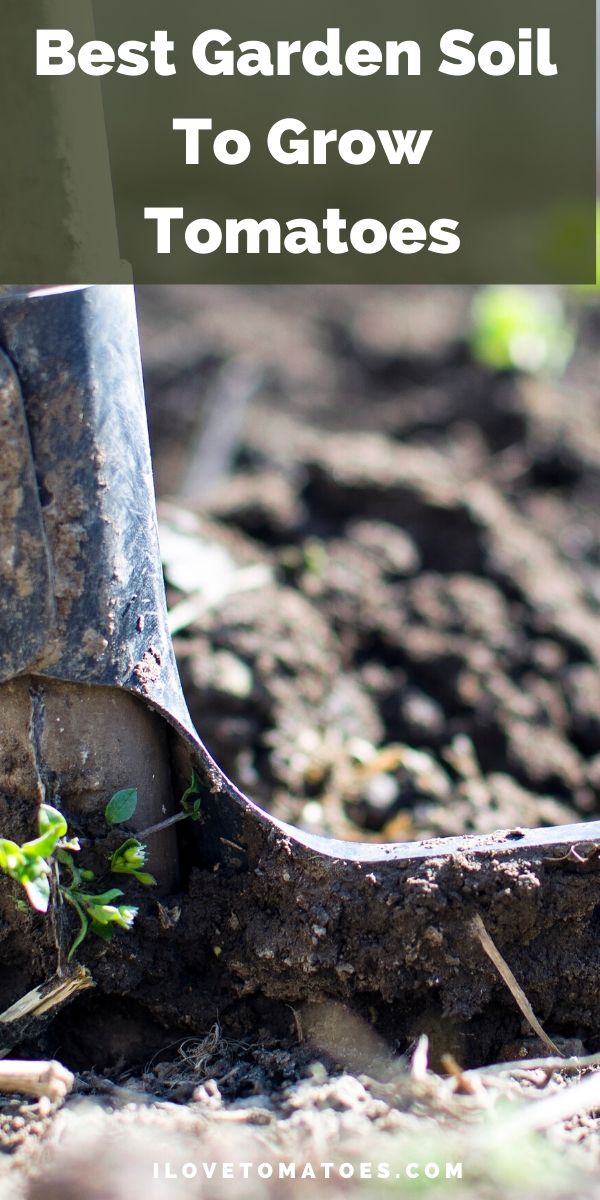
Ah, tomatoes! The taste of summer, the star of countless sauces, and the joy of every gardener. But before you can bite into that juicy, sun-ripened goodness, you need to get one thing right: the soil. Choosing the best soil for tomatoes is arguably the most crucial factor in determining the success of your tomato harvest. Forget fancy fertilizers or meticulous watering schedules; if your tomatoes aren't growing in the right type of soil, you're fighting an uphill battle. Let's delve into the wonderful world of soil and discover the secrets to growing the best tomatoes of your life!
Understanding the Ideal Soil Composition for Thriving Tomato Plants
So, what exactly makes soil "good" for tomatoes? It boils down to a few key factors, primarily focused on structure, nutrients, and drainage. Tomatoes are heavy feeders, meaning they require a lot of nutrients from the soil to produce abundant fruit. They also need well-draining soil to prevent root rot and adequate aeration for healthy root development. Essentially, you're looking for a soil that's a happy medium – rich but not soggy, loose but not lacking in structure.
Here's a breakdown of the ideal soil composition:
- Loam: This is the gold standard! Loam is a balanced mix of sand, silt, and clay. It provides good drainage, water retention, and aeration. Think of it as the "just right" porridge for your tomato plants.
- Organic Matter: This is the fuel for your tomato plants. Compost, aged manure, and other organic materials provide essential nutrients and improve soil structure.
- Good Drainage: Tomatoes hate sitting in water. Soil that drains well prevents root rot and other fungal diseases.
- Slightly Acidic p H: Tomatoes prefer a soil p H between 6.0 and
6.8. A soil testing kit can help you determine your soil's p H and make adjustments as needed.
The Importance of Soil Drainage for Tomato Growth
Let's really hammer home the importance of drainage. Imagine your tomato plant's roots constantly submerged in water. They're unable to breathe, and the soil becomes a breeding ground for harmful bacteria and fungi. Root rot sets in, your plant weakens, and your dreams of juicy tomatoes fade away. Not a pretty picture, right?
Well-draining soil allows excess water to flow away from the roots, providing them with the oxygen they need to thrive. Here are some ways to improve soil drainage:
- Add Organic Matter: Compost, aged manure, and peat moss improve soil structure and drainage.
- Amend Heavy Clay Soil: Clay soil tends to be poorly drained. Add coarse sand or gravel to improve drainage. Be careful not to add too much sand as this can create a concrete like substance.
- Raise Garden Beds: Raised beds naturally provide better drainage than in-ground gardens.
- Ensure Proper Watering: Avoid overwatering your tomato plants. Water deeply but infrequently, allowing the soil to dry out slightly between waterings.
Essential Nutrients for Tomato Plants in the Soil
Tomatoes are hungry plants, and they need a steady supply of nutrients to produce abundant fruit. The three most important nutrients are nitrogen (N), phosphorus (P), and potassium (K), often referred to as NPK. Each of these nutrients plays a vital role in tomato plant growth and development.
- Nitrogen (N): Promotes leafy growth and strong stems. However, too much nitrogen can lead to excessive foliage and reduced fruit production.
- Phosphorus (P): Essential for root development, flowering, and fruit set.
- Potassium (K): Contributes to overall plant health, disease resistance, and fruit quality.
In addition to NPK, tomatoes also need micronutrients like calcium, magnesium, and iron. A soil test can help you determine which nutrients are lacking in your soil and guide you in choosing the right fertilizer or soil amendments. Bone meal and eggshells are often added to the soil to increase the calcium available to the tomato plants, which helps prevent blossom end rot.
Best Soil Mix for Tomatoes: DIY Recipes and Store-Bought Options
Now that you understand the ideal soil composition and essential nutrients, let's explore some specific soil mix options for your tomato plants. You have two main choices: creating your own DIY soil mix or purchasing a pre-made soil mix from a store. Both options have their pros and cons, so let's take a closer look.
DIY Soil Mix for Tomatoes
Making your own soil mix gives you complete control over the ingredients and allows you to customize it to your specific needs. Here's a simple and effective DIY soil mix recipe:
- 1 part garden soil (or topsoil)
- 1 part compost
- 1 part peat moss or coco coir
- A handful of all-purpose fertilizer or bone meal
Mix all the ingredients thoroughly and moisten before planting your tomato plants. You can adjust the proportions of each ingredient based on your soil type and the specific needs of your tomato variety. For example, if you have heavy clay soil, you might want to add more peat moss or coco coir to improve drainage. If you are short on space or live in an apartment, consider using an indoor gardening system. The Ahopegarden Indoor Garden Hydroponics Growing System, with its 10 pod capacity and LED grow light, allows you to effortlessly cultivate herbs and vegetables, including starting your tomato seedlings, right on your countertop. You can find it here: https://amzn.to/3RPpa Sk. Give it a try for a simple way to enjoy fresh tomatoes at home! This hydroponic planter could be a convenient solution for small-space gardeners.
Store-Bought Soil Mix for Tomatoes
If you don't have the time or inclination to make your own soil mix, there are plenty of excellent store-bought options available. Look for soil mixes specifically formulated for vegetables or tomatoes. These mixes typically contain a blend of peat moss, compost, perlite, and fertilizer. Popular choices include:
- Fox Farm Ocean Forest Potting Soil: A rich and well-draining soil mix that's ideal for tomatoes.
- Miracle-Gro Performance Organics All Purpose Plant Nutrition Granules: A readily available and affordable option that provides essential nutrients for tomato plants.
- Espoma Organic Vegetable and Herb Soil Mix: A certified organic soil mix that's perfect for eco-conscious gardeners.
When choosing a store-bought soil mix, be sure to read the label carefully and select a mix that's appropriate for your needs. Avoid soil mixes that are too heavy or poorly drained, as these can lead to root rot and other problems.
Soil p H and Its Impact on Tomato Growth
Soil p H is a measure of the acidity or alkalinity of the soil. The p H scale ranges from 0 to 14, with 7 being neutral. Values below 7 are acidic, and values above 7 are alkaline. Tomatoes prefer a slightly acidic soil p H between 6.0 and
6.8. This p H range allows them to effectively absorb essential nutrients from the soil.
If your soil p H is too high or too low, your tomato plants may struggle to grow and produce fruit. Here's how to adjust your soil p H:
- To Lower p H (Make Soil More Acidic): Add sulfur, peat moss, or pine needles to the soil.
- To Raise p H (Make Soil More Alkaline): Add lime or wood ashes to the soil.
It's always a good idea to test your soil p H before planting tomatoes and make adjustments as needed. You can purchase a soil testing kit at most garden centers or online. Consider this test to be best practice and vital to growing great tomatoes.
Tips for Maintaining Healthy Soil for Tomato Plants
Choosing the right soil is just the first step. To keep your tomato plants thriving, you need to maintain healthy soil throughout the growing season. Here are some essential tips:
- Mulch: Apply a layer of mulch around your tomato plants to conserve moisture, suppress weeds, and regulate soil temperature.
- Fertilize Regularly: Feed your tomato plants with a balanced fertilizer every few weeks to provide them with essential nutrients.
- Water Properly: Water deeply but infrequently, allowing the soil to dry out slightly between waterings.
- Control Pests and Diseases: Monitor your tomato plants for pests and diseases and take action promptly to prevent them from spreading.
- Rotate Crops: Avoid planting tomatoes in the same location year after year to prevent the buildup of soilborne diseases.
By following these tips, you can ensure that your tomato plants have the healthy soil they need to thrive and produce abundant fruit. Enjoy your home grown tomatoes!