Are you dreaming of juicy, sun-ripened tomatoes bursting with flavor, but lack the space or the time for a traditional garden? Or perhaps you're tired of constantly worrying about whether your tomato plants are getting enough water? Then, the world of self-watering containers might just be your gardening salvation! Let's dive in and explore how you can grow amazing tomatoes using this clever and convenient method. The Magic of Self Watering Containers for Tomato Plants Self-watering containers, sometimes called sub-irrigated planters (SIPs), are designed to provide a consistent and reliable water supply to your plants, minimizing the need for frequent watering and dramatically reducing water waste. For tomato plants, which are known for their thirstiness, this can be a game-changer! The beauty of a tomato plant self watering container lies in its simplicity and efficiency. It essentially creates a mini-reservoir beneath the soil, allowing the plant...
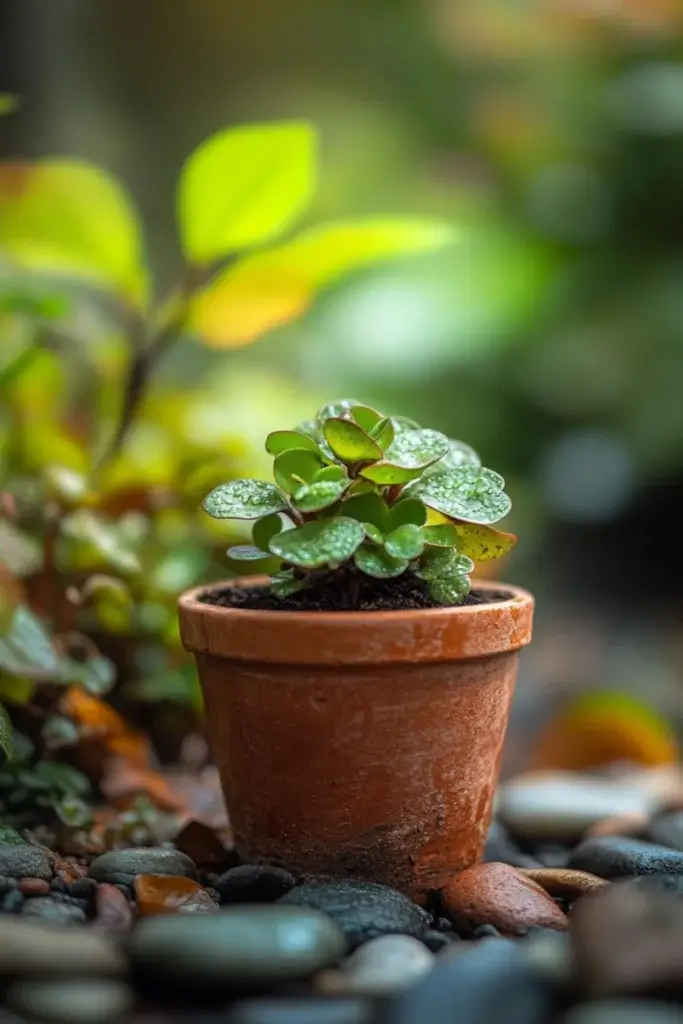
Ah, the juicy allure of homegrown tomatoes! There's nothing quite like biting into a sun-ripened tomato, bursting with flavor, that you nurtured from a tiny seed. But before you start dreaming of BLTs and homemade salsa, let's talk about a critical, often overlooked aspect of tomato growing in pots: drainage. Get this wrong, and your dreams of a bountiful harvest could quickly turn into a soggy, disappointing mess.
Why Tomato Pot Drainage Matters
Propertomato pot drainage is absolutely crucial for the health and productivity of your tomato plants. Tomatoes, like most plants, need water to thrive. However, they also need oxygen at their roots. When soil becomes waterlogged due to poor drainage, the spaces between soil particles fill with water, displacing the air. This creates an anaerobic (oxygen-deprived) environment that suffocates the roots. Think of it like trying to breathe underwater - not a pleasant experience for your plants!
Here's what can happen if your tomato pot drainage is inadequate:
- Root Rot: The most common and devastating consequence. Anaerobic conditions favor the growth of harmful fungi and bacteria that attack and decompose the roots.
- Nutrient Deficiency: Waterlogged soil makes it difficult for roots to absorb essential nutrients, even if they are present in the soil. You might see yellowing leaves or stunted growth.
- Stunted Growth: Lack of oxygen and nutrients will significantly hinder the plant's overall development.
- Increased Susceptibility to Disease: Stressed plants are more vulnerable to pests and diseases.
- Reduced Fruit Production: Ultimately, poor drainage leads to fewer, smaller, and less flavorful tomatoes.
Identifying Drainage Problems in Tomato Pots
Catching drainage issues early can save your tomato plants. Here are some signs to watch out for:
- Slow Draining After Watering: If water pools on the surface of the soil for more than a few minutes after watering, drainage is likely a problem.
- Soggy Soil: The soil feels constantly wet, even days after watering.
- Yellowing Leaves (especially lower leaves): A classic sign of nutrient deficiency caused by poor root function.
- Wilting Leaves (even when the soil is wet): Counterintuitively, wilting can occur because the roots are unable to absorb water due to root rot.
- Foul Odor: A rotten or musty smell coming from the soil indicates anaerobic conditions and potential root rot.
How to Ensure Good Tomato Pot Drainage
Fortunately, preventing drainage problems is relatively straightforward. Here's a comprehensive guide to ensuring optimal tomato pot drainage:
1. Choosing the Right Pot
The most important factor is selecting a pot with adequate drainage holes. These holes allow excess water to escape, preventing waterlogging. Make sure the pot you choose has holes and if it doesnt, add holes. Also make sure that the holes are not blocked up by the soil or anything else!
- Material: Clay pots are generally considered superior to plastic pots for drainage because they are porous, allowing water to evaporate through the pot's walls. However, plastic pots retain moisture longer, which can be beneficial in hot, dry climates.
- Size: Choose a pot that is appropriately sized for your tomato variety. Determinate (bush) varieties need at least a 15-gallon pot, while indeterminate (vining) varieties will thrive in a 20-gallon or larger container.
2. Selecting the Right Soil Mix
The soil mix you use plays a critical role in drainage. Avoid using garden soil in pots, as it tends to compact and drain poorly. Instead, opt for a well-draining potting mix specifically formulated for containers. A good potting mix will be lightweight, porous, and contain ingredients that promote drainage.
Here are some key ingredients to look for in a good tomato potting mix:
- Peat Moss or Coco Coir: These materials help retain moisture while also providing aeration.
- Perlite: These materials help retain moisture while also providing aeration.
- Vermiculite: A mineral that improves drainage and aeration.
- Compost: Provides nutrients and improves soil structure.
You can also amend your potting mix with additional perlite or vermiculite to further improve drainage.
3. Creating a Drainage Layer
Adding a layer of drainage material at the bottom of the pot can help prevent the drainage holes from becoming clogged. This layer creates space for excess water to collect and drain away, preventing the soil from becoming waterlogged.
Suitable drainage materials include:
- Gravel: A classic choice, but be aware that it can add significant weight to the pot.
- Broken Pottery: An environmentally friendly option that reuses broken pots.
- Packing Peanuts (Styrofoam): A lightweight option, but ensure they are not biodegradable, as they will break down over time. Use non-biodegradable packing peanuts.
- Landscape Fabric: Prevents soil from mixing with the drainage layer.
Place a layer of landscape fabric between the drainage layer and the soil to prevent the soil from sifting down and clogging the drainage layer.
4. Proper Watering Techniques
Even with excellent drainage, overwatering can still lead to problems. The key is to water thoroughly but infrequently, allowing the soil to dry out slightly between waterings.
- Water deeply: Water until you see water draining from the drainage holes. This ensures that the entire root ball is moistened.
- Water when the top inch of soil is dry: Use your finger to check the moisture level of the soil. If the top inch feels dry, it's time to water.
- Avoid frequent, shallow watering: This encourages shallow root growth and can lead to salt buildup in the soil.
- Water in the morning: This allows the foliage to dry before nightfall, reducing the risk of fungal diseases.
5. Elevating the Pot
Raising the pot off the ground slightly can improve drainage by allowing air to circulate around the drainage holes. You can use pot feet, bricks, or even small stones to elevate the pot.
6. Checking and Maintaining Drainage Holes
Regularly check the drainage holes to ensure they are not blocked by soil or roots. You can use a small stick or screwdriver to clear any obstructions.
Troubleshooting Existing Drainage Problems
If you suspect your tomato plant is already suffering from poor drainage, here are some steps you can take to remedy the situation:
- Stop Watering: Allow the soil to dry out as much as possible before watering again.
- Improve Drainage Holes: If the drainage holes are blocked, clear them immediately. You may even need to drill additional holes.
- Repot the Plant: If the soil is heavily compacted or waterlogged, consider repotting the plant into fresh, well-draining soil. Be gentle when removing the plant from its current pot to avoid damaging the roots.
- Add Drainage Amendments: Gently mix perlite or vermiculite into the top inch or two of the soil to improve drainage.
It's exciting to have a lush indoor garden, and you can easily grow herbs and vegetables year-round with the right equipment. You might consider anindoor hydroponic garden, like the Ahopegarden Indoor Garden Hydroponics Growing System, to simplify the process. These systems provide consistent nutrient delivery and oxygenation, minimizing drainage concerns and maximizing growth. You can find the hydroponic planter and grower at this link:https://amzn.to/3RPpa Sk.
By understanding the importance oftomato pot drainage and implementing these simple strategies, you can ensure your tomato plants thrive and produce a bountiful harvest of delicious, homegrown tomatoes. Happy gardening!