Are you dreaming of juicy, sun-ripened tomatoes bursting with flavor, but lack the space or the time for a traditional garden? Or perhaps you're tired of constantly worrying about whether your tomato plants are getting enough water? Then, the world of self-watering containers might just be your gardening salvation! Let's dive in and explore how you can grow amazing tomatoes using this clever and convenient method. The Magic of Self Watering Containers for Tomato Plants Self-watering containers, sometimes called sub-irrigated planters (SIPs), are designed to provide a consistent and reliable water supply to your plants, minimizing the need for frequent watering and dramatically reducing water waste. For tomato plants, which are known for their thirstiness, this can be a game-changer! The beauty of a tomato plant self watering container lies in its simplicity and efficiency. It essentially creates a mini-reservoir beneath the soil, allowing the plant...
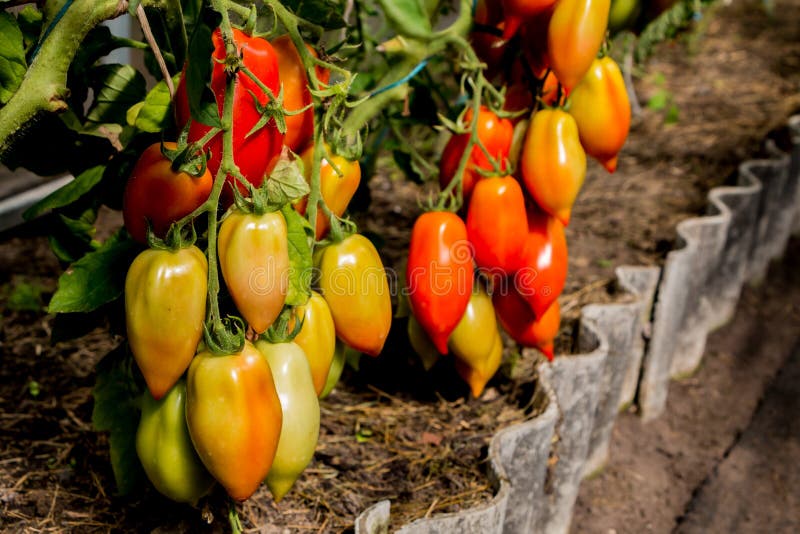
Imagine biting into a sun-ripened tomato, bursting with flavor, even when the weather outside is less than ideal. That dream can become a reality when you decide to grow your own tomatoes in a greenhouse! It's a rewarding experience, but to ensure a bumper crop, there are a few key things you'll want to keep in mind. Let's dive into the world of greenhouse tomato growing and uncover the secrets to success.
Setting Up Your Greenhouse for Tomato Growing
The first step towards successful greenhouse tomato cultivation is ensuring your greenhouse is properly prepared. This involves careful consideration of several factors, from location and size to ventilation and temperature control. Creating the right environment is paramount to giving your tomato plants the best possible start.
Location, Location, Location
Choosing the right location for your greenhouse is crucial. Tomatoes need plenty of sunlight – ideally, at least 6-8 hours per day. Position your greenhouse where it can capture maximum sunlight exposure. Consider the path of the sun throughout the day and avoid areas shaded by trees or buildings. South-facing greenhouses are often the best option in the Northern Hemisphere.
Furthermore, think about accessibility. A greenhouse located close to a water source and a power outlet will make your life much easier. You'll need water for irrigation and electricity for lighting, heating, and ventilation.
Greenhouse Size Matters
The size of your greenhouse will depend on the number of tomato plants you plan to grow and the space you have available. Remember that tomato plants can grow quite large, so you'll need to factor in enough space for them to mature without overcrowding. Overcrowding can lead to poor air circulation, increased humidity, and a greater risk of disease. Consider the mature size of your chosen tomato varieties when planning your greenhouse layout. A good rule of thumb is to allow at least 2-3 square feet of space per plant. This will give you enough room to work around the plants and ensure they receive adequate sunlight and air circulation.
Ventilation is Key for Successful Greenhouse Tomato Cultivation
Proper ventilation is essential for controlling temperature and humidity within the greenhouse. Tomatoes thrive in a warm, but not overly humid, environment. Without adequate ventilation, the greenhouse can become too hot and humid, which can lead to fungal diseases like blight and mold. Ventilation also ensures a constant supply of fresh air, which is necessary for plant respiration. Install vents at both the top and bottom of the greenhouse to promote natural airflow. Automatic vent openers that respond to temperature changes can be a worthwhile investment, as they help maintain a consistent climate. During the hottest parts of the day, you may need to open the vents manually to provide additional cooling. You can also use fans to circulate air and prevent stagnant pockets of humidity.
Temperature Control in Tomato Greenhouses
Tomatoes prefer daytime temperatures between 70-80°F (21-27°C) and nighttime temperatures between 60-65°F (15-18°C). Maintaining these temperatures can be challenging, especially during extreme weather conditions. In colder climates, you may need to install a greenhouse heater to prevent frost damage and maintain optimal growing temperatures. There are several types of greenhouse heaters available, including electric heaters, propane heaters, and gas heaters. Choose a heater that is appropriately sized for your greenhouse and that provides consistent and reliable heat. In warmer climates, you may need to use shade cloth or whitewash to reduce the amount of sunlight entering the greenhouse and prevent overheating. These methods can help lower the temperature by several degrees and create a more comfortable environment for your tomato plants.
Choosing the Right Tomato Varieties for Greenhouse Growing
Not all tomato varieties are created equal, and some perform better in a greenhouse environment than others. When selecting tomato varieties for your greenhouse, consider factors such as disease resistance, growth habit, and fruit size. Opting for varieties specifically bred for greenhouse cultivation can significantly increase your chances of success. Here are a few things to keep in mind:
Determinate vs. Indeterminate Tomato Varieties
Understanding the difference between determinate and indeterminate tomato varieties is crucial for greenhouse growing.Determinate varieties are bush-type plants that grow to a certain size and then stop, producing all their fruit at once. These are generally less suitable for greenhouses as their production period is limited.Indeterminate varieties, on the other hand, continue to grow and produce fruit throughout the growing season. These are the preferred choice for greenhouse cultivation, as they offer a continuous harvest. Popular indeterminate greenhouse varieties include 'Beefsteak', 'Brandywine', and 'Early Girl'.
Disease Resistance for Greenhouse Tomatoes
Greenhouse environments can be prone to certain diseases, so choosing disease-resistant varieties is essential. Look for varieties that are resistant to common tomato diseases such as Fusarium wilt, Verticillium wilt, and Tobacco Mosaic Virus (TMV). Disease resistance is typically indicated by letters following the variety name, such as 'V' for Verticillium wilt resistance, 'F' for Fusarium wilt resistance, and 'N' for nematode resistance. Choosing disease-resistant varieties can save you a lot of trouble and prevent crop losses.
Consider Fruit Size and Type
The fruit size and type you choose will depend on your personal preferences and intended use. Greenhouse-grown tomatoes tend to have a higher quality and flavor profile compared to field-grown tomatoes, so you can experiment with a wider range of varieties. Cherry tomatoes, grape tomatoes, and Roma tomatoes are popular choices for greenhouse growing, as they are productive and easy to manage. Beefsteak tomatoes and other large-fruited varieties can also be grown successfully in a greenhouse, but they may require more support and attention. Consider the space available in your greenhouse and choose varieties that fit your growing conditions.
Planting and Caring for Your Greenhouse Tomatoes
Once you've chosen your tomato varieties and prepared your greenhouse, it's time to plant your seedlings. Proper planting and ongoing care are essential for healthy growth and abundant fruit production. From soil preparation to watering and fertilization, every step plays a crucial role in the success of your tomato crop.
Soil Preparation:The Foundation for Success
Tomatoes thrive in well-drained, fertile soil with a p H between 6.0 and
6.8. Before planting, amend the soil with compost, well-rotted manure, or other organic matter to improve drainage and fertility. Avoid using garden soil directly in your greenhouse, as it may contain pests and diseases. Instead, use a high-quality potting mix specifically formulated for vegetables. You can also create your own soil mix by combining equal parts peat moss, perlite, and vermiculite. This will provide good drainage and aeration, which are essential for healthy root growth. Before planting, add a slow-release fertilizer to the soil to provide a steady supply of nutrients to your tomato plants.
Watering Your Greenhouse Tomatoes
Watering is critical for tomato growth, especially in a greenhouse environment where the soil can dry out quickly. Water deeply and regularly, aiming to keep the soil consistently moist but not waterlogged. Overwatering can lead to root rot and other problems, so it's essential to strike the right balance. The frequency of watering will depend on the temperature, humidity, and drainage of your greenhouse. As a general rule, water your tomato plants every 2-3 days, or when the top inch of soil feels dry to the touch. Use a watering can or a drip irrigation system to deliver water directly to the base of the plants, avoiding wetting the foliage. This will help prevent fungal diseases. Watering in the morning is preferable, as it allows the foliage to dry out before nightfall.
Fertilizing for Optimal Tomato Growth
Tomatoes are heavy feeders and require a steady supply of nutrients to produce abundant fruit. Fertilize your tomato plants regularly throughout the growing season with a balanced fertilizer specifically formulated for tomatoes. Look for a fertilizer with an N-P-K ratio of 10-10-10 or 12-12-12. Apply the fertilizer according to the manufacturer's instructions, typically every 2-3 weeks. You can also use a liquid fertilizer diluted in water to provide a quick boost of nutrients. In addition to regular fertilization, consider adding Epsom salts to the soil to provide magnesium, which is essential for chlorophyll production and overall plant health. Epsom salts can also help prevent blossom-end rot, a common problem in tomatoes. Dissolve one tablespoon of Epsom salts in one gallon of water and apply it to the base of the plants every 2-3 weeks.
Supporting Your Tomato Plants
Indeterminate tomato varieties require support to prevent them from sprawling on the ground. Use stakes, cages, or trellises to support your tomato plants and keep the fruit off the soil. Staking is a simple and effective method for supporting tomato plants. Drive a sturdy stake into the ground next to each plant and tie the main stem to the stake using soft twine. As the plant grows, continue to tie it to the stake every 12-18 inches. Cages are another popular option for supporting tomato plants. Place a cage around each plant at the time of planting and allow the plant to grow up through the cage. Trellises are a more elaborate option that can provide excellent support for tomato plants. Build a trellis using wood or metal and train the tomato plants to grow along the trellis. Whichever method you choose, make sure the support system is strong enough to support the weight of the mature tomato plants and their fruit.
Pollination in the Greenhouse Environment
Tomatoes are self-pollinating, meaning they have both male and female parts within the same flower. However, in a closed greenhouse environment, natural pollination may be limited due to the lack of wind and insect activity. To ensure successful pollination, you may need to assist the process manually.
Hand-Pollinating Your Tomatoes
Hand-pollinating is a simple and effective way to ensure that your tomato flowers are pollinated. The easiest way to hand-pollinate is to gently shake the tomato plants a few times a week. This will release the pollen from the anthers and allow it to fall onto the stigma. You can also use a small brush or cotton swab to collect pollen from the anthers and transfer it to the stigma of each flower. The best time to hand-pollinate is in the morning when the pollen is dry and easily released. Repeat the process every few days to ensure that all the flowers are pollinated. Another method involves using an electric toothbrush to gently vibrate the flower stems. This mimics the action of bees and helps to release the pollen.
Using Fans for Pollination
Placing a fan in your greenhouse can help to circulate air and promote pollination. The gentle breeze created by the fan will help to dislodge pollen and distribute it throughout the greenhouse. Position the fan so that it blows across the tomato plants, but not directly at them, as this can cause damage to the foliage. Run the fan for a few hours each day, especially during the flowering period. This can significantly improve pollination rates and increase fruit production.
Pest and Disease Management in the Greenhouse
Greenhouses, while providing a controlled environment, can also be susceptible to pests and diseases. Regular monitoring and proactive management are crucial for preventing and controlling outbreaks. Implementing preventative measures is always the best approach, but knowing how to address problems when they arise is also important.
Common Greenhouse Pests and Diseases
Some of the most common pests that affect greenhouse tomatoes include aphids, whiteflies, spider mites, and thrips. These pests can damage tomato plants by sucking their sap, causing leaves to yellow and curl. They can also transmit diseases. Common diseases that affect greenhouse tomatoes include blight, powdery mildew, and blossom-end rot. Blight is a fungal disease that causes dark spots to appear on the leaves and stems. Powdery mildew is another fungal disease that causes a white powdery coating to form on the leaves. Blossom-end rot is a physiological disorder caused by calcium deficiency, which results in dark, sunken spots on the bottom of the tomatoes.
Integrated Pest Management Strategies
Integrated Pest Management (IPM) is a holistic approach to pest control that combines various methods to minimize the use of chemical pesticides. IPM strategies include: Regular Monitoring: Inspect your tomato plants regularly for signs of pests or diseases. Biological Control: Introduce beneficial insects, such as ladybugs and lacewings, to control pest populations. Cultural Practices: Maintain good sanitation by removing weeds and debris from the greenhouse. Physical Barriers: Use insect netting to prevent pests from entering the greenhouse. Chemical Control:Use chemical pesticides as a last resort, and always follow the manufacturer's instructions carefully.
Harvesting Your Greenhouse Tomatoes
The moment you've been waiting for – harvesting your delicious, greenhouse-grown tomatoes! Knowing when and how to harvest properly will ensure you enjoy the best flavor and quality.
When to Harvest Tomatoes
Tomatoes are typically ready to harvest when they are fully colored and slightly soft to the touch. The exact color will depend on the variety you are growing. The fruit should easily detach from the vine with a gentle twist. Avoid pulling the tomatoes off the vine, as this can damage the plant. Overripe tomatoes will be soft and mushy, while underripe tomatoes will be hard and green. Harvest your tomatoes regularly to encourage continued production. Ripe tomatoes left on the vine can attract pests and diseases.
Proper Harvesting Techniques
To harvest tomatoes, grasp the fruit gently and twist it until it separates from the stem. Avoid squeezing the fruit, as this can cause bruising. Use pruning shears or scissors to cut the stem if the tomato is difficult to remove. Place the harvested tomatoes in a basket or container lined with soft cloth to prevent damage. Handle the tomatoes carefully to avoid bruising or breaking the skin. Store the tomatoes in a cool, dry place away from direct sunlight. Ripe tomatoes can be stored at room temperature for a few days, or in the refrigerator for up to a week. However, refrigeration can affect the flavor and texture of the tomatoes, so it's best to use them as soon as possible.
Growing tomatoes in a greenhouse can be incredibly rewarding. With the right planning, care, and attention, you can enjoy a bountiful harvest of delicious, homegrown tomatoes, no matter the season. From setting up your greenhouse to choosing the right varieties and managing pests and diseases, every step plays a crucial role in your success.
If you're looking to get a head start on your gardening journey, you might want to explore indoor growing options! Imagine having fresh herbs and vegetables right on your countertop. With the Ahopegarden Indoor Garden Hydroponics Growing System, you can do just that! This10 Pod Plant Germination Kit uses aeroponic technology and features an LED grow light, making it perfect for growing herbs, lettuce, and other vegetables indoors. Check it out here and start growing your own food today: https://amzn.to/3RPpa Sk.