Are you dreaming of juicy, sun-ripened tomatoes bursting with flavor, but lack the space or the time for a traditional garden? Or perhaps you're tired of constantly worrying about whether your tomato plants are getting enough water? Then, the world of self-watering containers might just be your gardening salvation! Let's dive in and explore how you can grow amazing tomatoes using this clever and convenient method. The Magic of Self Watering Containers for Tomato Plants Self-watering containers, sometimes called sub-irrigated planters (SIPs), are designed to provide a consistent and reliable water supply to your plants, minimizing the need for frequent watering and dramatically reducing water waste. For tomato plants, which are known for their thirstiness, this can be a game-changer! The beauty of a tomato plant self watering container lies in its simplicity and efficiency. It essentially creates a mini-reservoir beneath the soil, allowing the plant...
Have you ever dreamed of a garden bursting with juicy, red tomatoes, even if you only have a small balcony or limited space indoors? The secret to making that dream a reality might just lie in the fascinating world of self-pollinating tomato seeds. Let's dive into everything you need to know to grow these amazing fruits!
Understanding Self-Pollination in Tomatoes
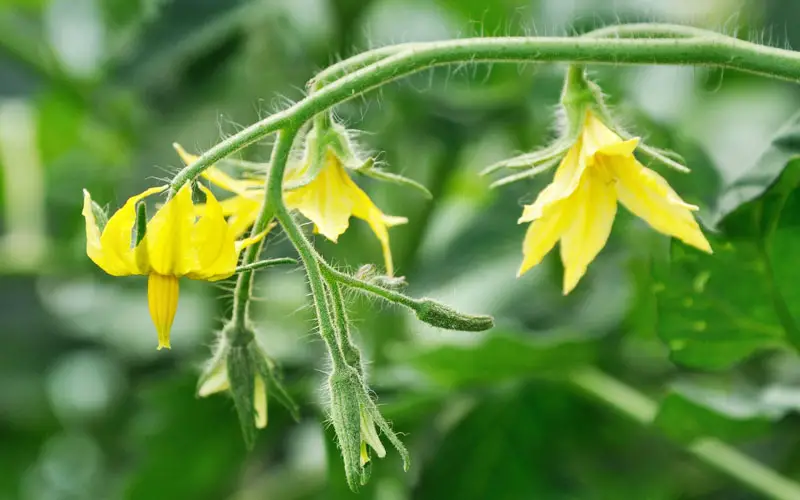
Self-pollination is a clever trick of nature that allows certain plants to reproduce without needing pollen from another plant. Unlike some plants that rely on insects or wind to carry pollen between flowers, self-pollinating tomato plants have flowers with both male (stamens) and female (pistil) parts. The magic happens when pollen from the stamen fertilizes the pistil within the same flower. It's a neat and efficient system, perfect for ensuring fruit production, especially in controlled environments or where pollinator activity is limited.
How Does Self-Pollination Work in Tomato Plants?
The process of self-pollination in tomatoes is pretty straightforward. Inside each tomato flower, the stamen, which holds the pollen, is very close to the pistil, which receives the pollen. Wind or even a gentle shake of the plant can cause the pollen to fall from the stamen onto the pistil. This is often aided by the flower's own structure; the petals may vibrate in the breeze, helping to dislodge the pollen. In some cases, you can even gently tap the flower yourself to assist the process, especially if you're growing tomatoes indoors. The key is to ensure that the pollen makes its way from the male to the female parts of the same flower.
Benefits of Growing Self-Pollinating Tomatoes
There are several compelling reasons to choose self-pollinating tomato seeds for your garden:
- Independence from Pollinators: This is perhaps the biggest advantage. You don't need to rely on bees or other insects to pollinate your plants. This is especially useful for indoor gardening or in areas where pollinators are scarce.
- Consistent Fruit Production: Self-pollinating varieties tend to produce more reliably, as the pollination process is less dependent on external factors.
- Space Saving: Many self-pollinating tomatoes are compact, determinate varieties, making them ideal for small gardens, containers, and even hanging baskets.
- Easy to Grow: Generally, self-pollinating tomato plants are considered easier to grow than varieties that require cross-pollination.
- Indoor Gardening Success: They are perfect for growing tomatoes indoors, where natural pollinators are absent. You can grow your own tomatoes year-round with the right lighting and care.
Popular Self-Pollinating Tomato Varieties
Choosing the right self-pollinating tomato variety depends on your specific needs and preferences. Here are some popular and reliable choices:
'Roma' Tomatoes
'Roma' tomatoes are a classic determinate variety known for their plum-like shape and thick flesh. They are excellent for making sauces, pastes, and canning. These tomatoes typically grow to about 3-4 feet tall and produce a large harvest of uniform fruits. Their disease resistance and ease of growth make them a popular choice for both beginner and experienced gardeners. They are a staple for anyone wanting to make homemade pasta sauce.
'Patio' Tomatoes
'Patio' tomatoes are specifically bred for container gardening. They are compact, reaching only about 2 feet in height, and produce small to medium-sized, flavorful tomatoes. 'Patio' tomatoes are perfect for balconies, patios, or any small space. They are known for their early fruit production and continuous harvest throughout the season. Regular watering and fertilization will ensure a bountiful crop.
'Tiny Tim' Tomatoes
'Tiny Tim' tomatoes are one of the smallest tomato varieties, growing only 12-18 inches tall. They produce tiny, cherry-sized tomatoes that are perfect for snacking. These tomatoes are ideal for growing in small pots on windowsills or balconies. They are incredibly easy to grow and require minimal maintenance. Their sweet flavor and petite size make them a favorite among children and those with limited gardening space.
'Totem' Tomatoes
'Totem' tomatoes are another excellent choice for container gardening. They grow to about 2-3 feet tall and produce medium-sized, flavorful tomatoes. 'Totem' tomatoes are known for their disease resistance and ability to thrive in small spaces. They are a great option for gardeners who want a reliable and productive tomato plant without taking up too much room. Make sure they get plenty of sunlight for the best results.
Tips for Growing Self-Pollinating Tomatoes Successfully
Even though self-pollinating tomatoes are relatively easy to grow, here are some tips to maximize your success:
Choosing the Right Soil
Tomatoes thrive in well-draining, nutrient-rich soil. A good quality potting mix is essential for container-grown tomatoes. Amend the soil with compost or other organic matter to improve its fertility and drainage. A slightly acidic p H, around 6.0 to
6.8, is ideal for tomato plants. You can test the soil p H using a soil testing kit and adjust it accordingly. Remember that healthy soil leads to healthy plants and a better harvest.
Providing Adequate Sunlight
Tomatoes need at least 6-8 hours of direct sunlight per day to produce a good crop of fruit. If you are growing tomatoes indoors, you will need to supplement with artificial grow lights. Place your tomato plants in the sunniest location possible and rotate them regularly to ensure even light exposure. Insufficient sunlight can lead to leggy growth and poor fruit production. If you're considering setting up an indoor garden, you might find a hydroponics growing system helpful to ensure proper lighting. Systems like the Ahopegarden Indoor Garden Hydroponics Growing System, a 10-pod plant germination kit with aeroponic herb and vegetable growth lamps, can provide the light you need to grow healthy self-pollinating tomatoes. You can find it here: https://amzn.to/3RPpa Sk.
Watering and Fertilizing
Tomatoes need consistent watering, especially during hot weather. Water deeply and regularly, allowing the soil to dry slightly between waterings. Avoid overhead watering, as this can lead to fungal diseases. Fertilize your tomato plants regularly with a balanced fertilizer, following the instructions on the label. During fruit production, switch to a fertilizer higher in potassium and phosphorus to promote larger and more flavorful fruits. Mulching around the base of the plants can help retain moisture and suppress weeds.
Supporting Your Plants
As tomato plants grow, they may need support to prevent the stems from breaking under the weight of the fruit. Use stakes, cages, or trellises to support your plants. This will also improve air circulation and reduce the risk of disease. Tie the stems loosely to the support structure to allow for natural movement. Regular pruning can also help to improve air circulation and encourage fruit production.
Dealing with Pests and Diseases
Tomatoes are susceptible to various pests and diseases. Monitor your plants regularly for signs of trouble and take action promptly. Common pests include aphids, whiteflies, and tomato hornworms. Control pests with insecticidal soap, neem oil, or hand-picking. Common diseases include early blight, late blight, and blossom end rot. Prevent diseases by providing good air circulation, avoiding overhead watering, and using disease-resistant varieties. Treat diseases with appropriate fungicides or other remedies. Integrated pest management (IPM) is a holistic approach that combines various methods to control pests and diseases while minimizing the use of chemicals.
Frequently Asked Questions About Self-Pollinating Tomato Seeds
Are all tomato plants self-pollinating?
No, while most tomato varieties are self-pollinating, some heirloom varieties may benefit from gentle shaking or hand pollination to ensure good fruit set. It's always a good idea to research the specific variety you're growing to understand its pollination needs.
Do I need to hand-pollinate self-pollinating tomatoes indoors?
While self-pollinating tomatoes can pollinate on their own, giving them a little help indoors can increase fruit set. Gently shaking the plants or using a small brush to transfer pollen between flowers can be beneficial.
Can I save seeds from self-pollinating tomatoes?
Yes, you can save seeds from self-pollinating tomatoes, and they will typically produce plants that are true to type. However, if you are growing multiple tomato varieties, there is a small chance of cross-pollination, which could result in hybrid seeds.
How long does it take for self-pollinating tomatoes to produce fruit?
The time it takes for self-pollinating tomatoes to produce fruit varies depending on the variety and growing conditions. Generally, you can expect to see fruit within 60-85 days of planting.
Growing your own tomatoes from self-pollinating tomato seeds is a rewarding experience that allows you to enjoy fresh, flavorful produce even with limited space or in indoor environments. With a little knowledge and care, you can have a thriving tomato garden year-round.