Are you dreaming of juicy, sun-ripened tomatoes bursting with flavor, but lack the space or the time for a traditional garden? Or perhaps you're tired of constantly worrying about whether your tomato plants are getting enough water? Then, the world of self-watering containers might just be your gardening salvation! Let's dive in and explore how you can grow amazing tomatoes using this clever and convenient method. The Magic of Self Watering Containers for Tomato Plants Self-watering containers, sometimes called sub-irrigated planters (SIPs), are designed to provide a consistent and reliable water supply to your plants, minimizing the need for frequent watering and dramatically reducing water waste. For tomato plants, which are known for their thirstiness, this can be a game-changer! The beauty of a tomato plant self watering container lies in its simplicity and efficiency. It essentially creates a mini-reservoir beneath the soil, allowing the plant...
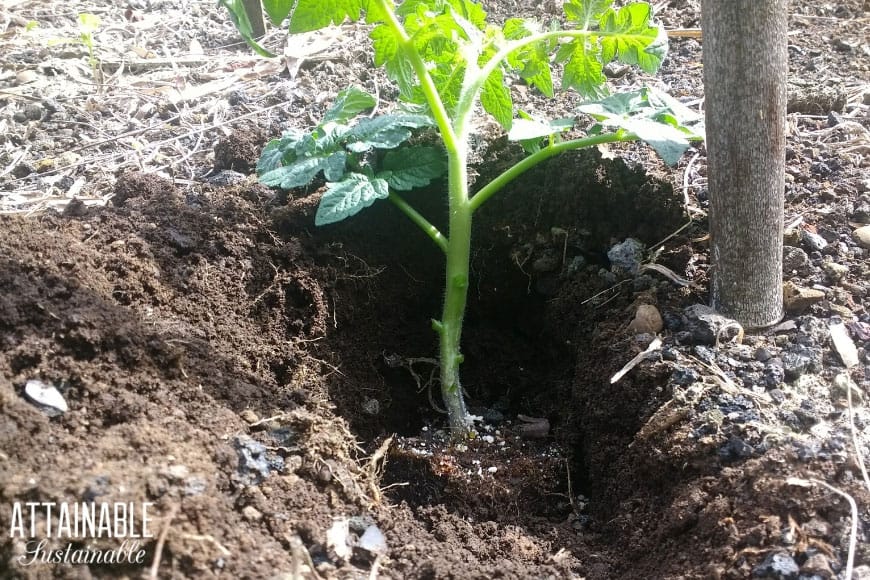
Have you ever wondered why some tomato plants thrive while others struggle, even when given the same amount of sun and water? The secret might lie beneath the surface, literally! One of the most critical, yet often overlooked, aspects of growing healthy tomatoes is planting them at the right depth. Planting depth is crucial when planting tomatoes, and plays a significant role in the overall health and productivity of your tomato plants. So, let's dig in (pun intended!) and uncover the best practices for planting tomatoes deeply.
Why Planting Depth Matters for Tomatoes
Planting depth has a direct impact on the development of a strong root system. Tomatoes have a unique ability to grow roots along their buried stems, creating a more extensive and robust root network. A deeper root system leads to several advantages, including better access to nutrients and water, and increased stability against strong winds.
The Amazing Ability of Tomato Plants to Grow Roots
Unlike many other plants, tomatoes have adventitious roots, which means they can grow roots from any part of their stem that's buried underground. This is a huge advantage! Think of it as giving your tomato plant extra "legs" to stand on. By planting deeply, you encourage the development of these extra roots, resulting in a stronger, healthier plant.
This process is especially important for leggy tomato seedlings that have grown too tall and spindly indoors. Instead of simply staking them, you can bury a significant portion of the stem, effectively shortening the above-ground part of the plant and encouraging a more compact and robust growth habit. The more roots your tomato plant has, the better it will be at absorbing water and nutrients from the soil. This translates to healthier growth, increased resistance to pests and diseases, and ultimately, a more bountiful harvest.
Benefits of Planting Tomatoes Deeply
Deep planting offers several key advantages. Let's explore each in more detail:
Enhanced Root System
As mentioned earlier, the primary benefit is the development of a more extensive root system. The plant gains access to a larger volume of soil, allowing it to absorb more nutrients and water, especially crucial during dry spells or when the plant is heavily laden with fruit. A bigger root system means a healthier, more resilient plant. Imagine a tree with deep roots versus one with shallow roots during a storm – the deeper-rooted tree is far more likely to withstand the challenge.
Increased Stability
Tomatoes can become quite heavy when loaded with fruit. A strong root system is essential for providing the necessary support to prevent the plant from toppling over, especially in windy conditions. Deeper planting acts as an anchor, keeping your precious tomatoes upright and safe from damage.
Improved Nutrient Uptake
With a more extensive root system, your tomato plant can tap into a wider range of nutrients in the soil. This is particularly important for essential micronutrients that might be concentrated in specific areas. The plant has a greater chance of finding and absorbing what it needs, leading to healthier growth and better fruit quality.
Greater Drought Tolerance
Deeply rooted plants are much better equipped to handle periods of drought. Their roots can reach deeper into the soil, accessing moisture that might not be available to plants with shallow roots. This makes them more resilient and less susceptible to stress during dry spells.
Rescue Leggy Seedlings
Sometimes, despite our best efforts, our tomato seedlings can get a bit leggy indoors. They stretch towards the light, resulting in tall, spindly plants. Deep planting is the perfect solution! By burying a significant portion of the stem, you encourage root growth along the buried portion, effectively transforming a leggy seedling into a sturdy, well-rooted plant.
How Deep Should You Plant Tomatoes?
So, how deep do you plant tomatoes, exactly? The general rule of thumb is to bury about two-thirds of the plant's stem. This means removing the lower leaves and planting the tomato seedling up to the first set of leaves, or even higher for very leggy plants. It might seem counterintuitive to bury so much of the plant, but trust the process!
Step-by-Step Guide to Deep Planting
Here's a simple step-by-step guide to ensure you plant your tomatoes at the correct depth:
- Prepare the Planting Hole: Dig a hole that is deep enough to bury about two-thirds of the tomato plant's stem. This may require a deeper hole than you might initially expect.
- Remove Lower Leaves: Gently remove the lower leaves from the stem that will be buried underground. This prevents them from rotting and attracting pests or diseases.
- Optional: Add Amendments: Consider adding some compost, bone meal, or other soil amendments to the bottom of the hole to provide the plant with a nutrient boost.
- Position the Plant: Carefully place the tomato plant in the hole, ensuring that the lowest remaining leaves are just above the soil surface.
- Backfill with Soil: Gently backfill the hole with soil, firming it around the stem to provide support.
- Water Thoroughly: Water the newly planted tomato thoroughly to help settle the soil and encourage root growth.
- Mulch: Apply a layer of mulch around the base of the plant to help retain moisture and suppress weeds.
Addressing Common Concerns About Planting Deeply
Some gardeners are hesitant to bury so much of the tomato plant's stem, fearing that it might rot or cause other problems. Here are some common concerns and how to address them:
Stem Rot
While stem rot is a valid concern, it's relatively rare if you take the proper precautions. Removing the lower leaves before planting is crucial, as these leaves can decompose and create an environment conducive to rot. Ensure that the soil is well-draining and avoid overwatering. Also, consider using a copper-based fungicide as a preventative measure, especially in areas with high humidity.
Slow Growth
Some gardeners worry that burying the stem will stunt the plant's growth. However, the opposite is usually true. While the plant might initially take a few days to adjust, the development of a stronger root system will ultimately lead to more vigorous growth and a higher yield.
Pest Issues
There's a small chance that burying the stem could provide a pathway for soil-borne pests to access the plant. To mitigate this risk, ensure the soil is healthy and free of pests before planting. Incorporating beneficial nematodes into the soil can also help to control soil-dwelling pests.
Additional Tips for Successful Tomato Planting
Beyond planting depth, several other factors can contribute to the success of your tomato crop.
Choosing the Right Location
Tomatoes need at least 6-8 hours of direct sunlight per day. Choose a location that receives ample sunlight and has well-draining soil. Avoid areas that are prone to waterlogging, as this can lead to root rot.
Soil Preparation
Tomatoes thrive in soil that is rich in organic matter. Amend the soil with compost, aged manure, or other organic materials to improve its fertility and drainage. A soil p H of 6.0 to
6.8 is ideal for tomatoes. Consider getting your soil tested to determine its p H and nutrient levels, and amend it accordingly.
Watering and Fertilizing
Water tomatoes deeply and regularly, especially during dry spells. Avoid overhead watering, as this can promote fungal diseases. Fertilize tomatoes regularly with a balanced fertilizer, following the manufacturer's instructions. Avoid over-fertilizing, as this can lead to excessive foliage growth at the expense of fruit production.
Support and Pruning
Provide support for your tomato plants using stakes, cages, or trellises. This will help to keep the plants upright and prevent the fruit from touching the ground. Prune your tomato plants regularly to remove suckers (the shoots that grow in the crotch between the main stem and the branches). This will improve air circulation and encourage fruit production.
Consider Starting Indoors
For a head start on the growing season, you can consider starting your tomato seeds indoors 6-8 weeks before the last expected frost. This allows you to nurture seedlings in a controlled environment, ensuring they're strong and ready to transplant when the weather warms up. A tool like the Ahopegarden Indoor Garden Hydroponics Growing System, a wonderful aeroponic herb vegetable growth lamp, provides a convenient solution for indoor seed starting. This 10-pod plant germination kit with LED grow lights, also a countertop hydroponic planter grower, makes a great option to harvest lettuce and other vegetables from the comfort of your home. Check it out here: https://amzn.to/3RPpa Sk.
Conclusion
So, how deep do you plant tomatoes? Remember, planting tomatoes deeply is a simple yet powerful technique that can significantly improve the health and productivity of your tomato plants. By burying about two-thirds of the stem, you encourage the development of a more extensive root system, leading to better nutrient uptake, increased stability, and greater drought tolerance. With a little bit of planning and effort, you can enjoy a bountiful harvest of delicious, homegrown tomatoes!