Are you dreaming of juicy, sun-ripened tomatoes bursting with flavor, but lack the space or the time for a traditional garden? Or perhaps you're tired of constantly worrying about whether your tomato plants are getting enough water? Then, the world of self-watering containers might just be your gardening salvation! Let's dive in and explore how you can grow amazing tomatoes using this clever and convenient method. The Magic of Self Watering Containers for Tomato Plants Self-watering containers, sometimes called sub-irrigated planters (SIPs), are designed to provide a consistent and reliable water supply to your plants, minimizing the need for frequent watering and dramatically reducing water waste. For tomato plants, which are known for their thirstiness, this can be a game-changer! The beauty of a tomato plant self watering container lies in its simplicity and efficiency. It essentially creates a mini-reservoir beneath the soil, allowing the plant...
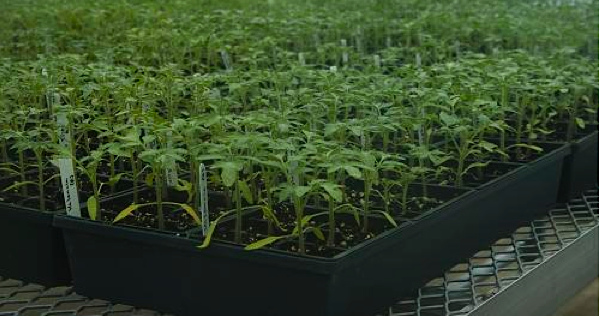
Picture this: Rows upon rows of vibrant green tomato seedlings, basking in the warm, controlled environment of your greenhouse, promising a bountiful harvest of juicy, sun-ripened tomatoes. Starting your tomato plants from seed indoors is a rewarding experience, and using a greenhouse takes your gardening game to the next level. Let's dive into the how-to of nurturing healthy tomato seedlings in a greenhouse environment!
The Benefits of Growing Tomato Seedlings in a Greenhouse
So, why go to all the effort of starting your tomato plants inside a greenhouse? Well, the benefits are numerous and can make a huge difference in your overall tomato yield and the health of your plants. Here are a few reasons to consider starting your tomato seedlings in a greenhouse:
- Extended Growing Season: Greenhouses allow you to start your tomato plants much earlier in the season, protecting them from late frosts and unpredictable weather. This means you can enjoy fresh tomatoes weeks, even months, before your neighbors who plant directly in the ground.
- Controlled Environment: You have complete control over the temperature, humidity, and light levels, creating the ideal conditions for germination and early growth. This is especially important for tomatoes, which are sensitive to temperature fluctuations.
- Protection from Pests and Diseases: Greenhouses offer a physical barrier against many common pests and diseases that can plague tomato plants. This reduces the need for pesticides and other chemical treatments, resulting in healthier, more organic tomatoes.
- Higher Germination Rates: The consistent warmth and humidity within a greenhouse promote higher germination rates, meaning more of your seeds will sprout and grow into healthy seedlings.
- Stronger, Healthier Seedlings: By providing optimal growing conditions, you can cultivate stronger, more vigorous seedlings that are better equipped to withstand the stresses of transplanting and outdoor growing.
Essential Factors for Thriving Tomato Seedlings in Your Greenhouse
Creating the right environment is key to successfully growing tomato seedlings in a greenhouse. Here are some essential factors to consider:
Temperature Management for Tomato Seedlings
Temperature is arguably the most crucial factor. Tomato seeds germinate best at temperatures between 75°F and 85°F (24°C and 29°C). Once the seedlings emerge, slightly cooler temperatures, around 70°F (21°C) during the day and 60°F (16°C) at night, are ideal. Use a thermometer and consider a greenhouse heater or ventilation system to maintain these optimal temperatures.
Here's a quick guide:
- Germination: 75-85°F (24-29°C)
- Seedling Growth (Day): 70°F (21°C)
- Seedling Growth (Night): 60°F (16°C)
Light Requirements for Tomato Seedlings in a Greenhouse
Tomato seedlings need plenty of light, especially in their early stages. Aim for at least 6-8 hours of direct sunlight per day. If your greenhouse doesn't receive enough natural light, supplement with grow lights. Position the lights close to the seedlings to encourage compact, sturdy growth. You can even use an indoor hydroponic system with LED grow lights like the Ahopegarden Indoor Garden Hydroponics Growing System, a 10-pod plant germination kit, to give your tomato starts a head start. This aeroponic herb and vegetable growth lamp provides the controlled light necessary for optimal development. Check out the hydroponic planter grower here: https://amzn.to/3RPpa Sk.
Watering and Humidity Control for Tomato Seedlings
Keep the soil consistently moist, but not waterlogged. Overwatering can lead to fungal diseases. Water from the bottom whenever possible, using a tray to allow the seedlings to absorb moisture. Humidity levels should be moderate, around 50-60%. Good ventilation will help prevent excessive humidity buildup.
Soil and Nutrients for Growing Tomato Seedlings in a Greenhouse
Use a high-quality seed-starting mix that is well-draining and sterile. Avoid using garden soil, which can harbor diseases and pests. Once the seedlings have developed their first true leaves, you can begin feeding them with a diluted liquid fertilizer specifically formulated for tomatoes. Follow the instructions on the fertilizer label carefully to avoid over-fertilizing.
Step-by-Step Guide to Starting Tomato Seedlings in a Greenhouse
Now, let's break down the process into manageable steps:
- Sowing Seeds: Fill seed trays or small pots with seed-starting mix. Sow tomato seeds about ¼ inch deep and gently water.
- Creating a Humid Environment: Cover the trays or pots with a plastic dome or plastic wrap to create a humid environment. Place them in a warm location, ideally with a heat mat underneath to speed up germination.
- Germination: Once the seeds germinate, remove the plastic cover and move the seedlings to a location with plenty of light.
- Watering and Fertilizing: Water regularly, allowing the soil to dry out slightly between waterings. Begin fertilizing with a diluted liquid fertilizer after the first true leaves appear.
- Hardening Off: Before transplanting your seedlings outdoors, you'll need to "harden them off" to gradually acclimate them to outdoor conditions. This involves exposing them to increasing amounts of sunlight and cooler temperatures over a period of one to two weeks. Start by placing them outdoors for a few hours each day, gradually increasing the time until they can tolerate a full day outside.
- Transplanting: Once the danger of frost has passed and the soil has warmed up, you can transplant your tomato seedlings into your garden. Choose a sunny location with well-drained soil.
Troubleshooting Common Issues with Tomato Seedlings in a Greenhouse
Even with the best care, you may encounter some challenges when growing tomato seedlings in a greenhouse. Here are some common issues and how to address them:
- Leggy Seedlings: This is often caused by insufficient light. Move the seedlings closer to the light source or supplement with grow lights.
- Damping Off: This fungal disease can cause seedlings to collapse and die. Prevent damping off by using sterile seed-starting mix, avoiding overwatering, and ensuring good ventilation.
- Pests: Common greenhouse pests include aphids, whiteflies, and spider mites. Monitor your seedlings regularly and take action promptly if you notice any signs of infestation. Insecticidal soap or neem oil can be effective treatments.
- Nutrient Deficiencies: Yellowing leaves or stunted growth can indicate nutrient deficiencies. Fertilize your seedlings with a balanced liquid fertilizer to provide them with the nutrients they need.
Choosing the Right Tomato Variety for Greenhouse Growing
Not all tomato varieties are created equal, and some are better suited for greenhouse growing than others. Consider these factors when choosing your tomato varieties:
- Determinate vs. Indeterminate: Determinate tomatoes grow to a certain size and produce all their fruit at once, while indeterminate tomatoes continue to grow and produce fruit throughout the season. Indeterminate varieties are generally better suited for greenhouse growing because they can take advantage of the extended growing season.
- Disease Resistance: Choose varieties that are resistant to common tomato diseases, such as Fusarium wilt, Verticillium wilt, and tomato mosaic virus.
- Taste and Size: Select varieties that you enjoy eating and that are appropriate for your intended use. Cherry tomatoes, grape tomatoes, and slicing tomatoes are all popular choices for greenhouse growing.
Growing tomato seedlings in a greenhouse is a rewarding experience that can lead to a bountiful harvest of delicious, homegrown tomatoes. By following these tips and paying attention to the needs of your seedlings, you can enjoy fresh tomatoes from your greenhouse for months to come!