Are you dreaming of juicy, sun-ripened tomatoes bursting with flavor, but lack the space or the time for a traditional garden? Or perhaps you're tired of constantly worrying about whether your tomato plants are getting enough water? Then, the world of self-watering containers might just be your gardening salvation! Let's dive in and explore how you can grow amazing tomatoes using this clever and convenient method. The Magic of Self Watering Containers for Tomato Plants Self-watering containers, sometimes called sub-irrigated planters (SIPs), are designed to provide a consistent and reliable water supply to your plants, minimizing the need for frequent watering and dramatically reducing water waste. For tomato plants, which are known for their thirstiness, this can be a game-changer! The beauty of a tomato plant self watering container lies in its simplicity and efficiency. It essentially creates a mini-reservoir beneath the soil, allowing the plant...
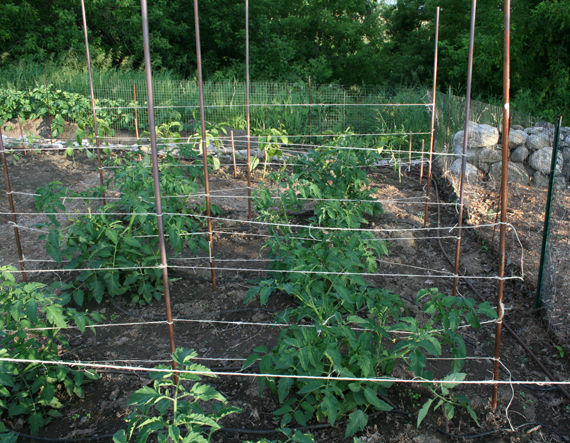
There's nothing quite like biting into a sun-ripened tomato, bursting with flavor from your own backyard (or balcony!). But growing tomatoes, especially in limited spaces like patios or balconies, can present a challenge. That's where staking tomatoes in buckets comes in! It's a simple yet effective way to support your plants, maximize your yield, and keep those delicious tomatoes off the ground and thriving. Let's dive into how you can achieve tomato-growing success, even in a bucket.
Why Stake Tomatoes in Buckets?
Growing tomatoes in buckets offers a fantastic solution for gardeners with limited space. However, tomato plants, particularly indeterminate varieties, can become quite large and sprawling. Without proper support, they can topple over, leading to broken stems, damaged fruit, and increased susceptibility to pests and diseases. This is wherestaking tomatoes in buckets becomes essential. Staking provides the necessary vertical support for the plants, keeping them upright and allowing them to receive adequate sunlight and airflow. It also makes harvesting easier and keeps your precious tomatoes clean and off the soil.
Benefits of Staking
Let's break down the specific advantages you'll gain from staking your bucket tomatoes:
Improved Air Circulation: By keeping the foliage off the ground, staking promotes better air circulation around the plant. This helps to prevent fungal diseases like early blight and Septoria leaf spot, which thrive in humid conditions.
Increased Sunlight Exposure: Staking allows the plant to grow vertically, maximizing its exposure to sunlight. This leads to increased photosynthesis and, consequently, more abundant and flavorful tomatoes.
Easier Harvesting: Reaching for tomatoes dangling from a staked plant is much easier than searching through a tangled mess of foliage on the ground. You'll have a clearer view of your ripening fruit and be able to harvest them with ease.
Reduced Pest and Disease Problems: When tomatoes are on the ground, they are more susceptible to pests like slugs and snails, as well as soil-borne diseases. Staking elevates the fruit, reducing the risk of these problems.
Maximize Space: Even when using buckets on a patio, garden or balcony space is still limited. By supporting the plants vertically, you can grow more tomato plants in the space available.
Neater Appearance: Staked tomato plants simply look tidier and more organized than sprawling, unsupported plants. This can be especially important if you're growing tomatoes in a visible area like a front porch or balcony.
What Happens If You Don't Stake Your Tomatoes?
Ignoring the need for support can lead to a host of problems. Here’s a rundown of what you might face:
Fruit Rot: Tomatoes lying on the soil are prone to rot, especially after rain or watering. Pest Infestation: Ground-dwelling pests like slugs, snails, and pill bugs can easily access and damage the fruit. Disease Susceptibility: Soil-borne diseases can splash onto the lower leaves and fruit, leading to infections. Reduced Yield: A stressed and diseased plant will produce fewer tomatoes. Difficult Harvesting: Picking tomatoes from a tangled mess of foliage is a frustrating and time-consuming task. Plant Damage: Heavy fruit can cause stems to break if they are not properly supported.
Choosing the Right Tomato Variety for Bucket Growing
Not all tomato varieties are created equal when it comes to bucket growing. Some varieties are naturally more compact and manageable, while others can grow into sprawling monsters. Here's a guide to help you choose the right tomato variety for your bucket garden. I would recommend starting with smaller, determinate tomato plants. These plants are great for smaller spaces. Determinate tomato plants will only grow a certain size and then stop, making them easier to manage and support in buckets.
Determinate vs. Indeterminate Tomatoes
Understanding the difference between determinate and indeterminate tomato varieties is crucial for successful bucket growing. Determinate tomato plants, also known as bush tomatoes, grow to a fixed size and produce all their fruit at roughly the same time. They are generally more compact and require less staking. Indeterminate tomato plants, on the other hand, continue to grow and produce fruit throughout the growing season. They can reach impressive heights and require significant staking and pruning.
Here’s a handy table summarizing the key differences:
| Feature | Determinate Tomatoes | Indeterminate Tomatoes |
|---|---|---|
| ---------------- | ------------------------------ | --------------------------- |
| Growth Habit | Bush-like, fixed size | Vining, continuous growth |
| Fruit Production | All at once | Over an extended period |
| Size | Compact | Can grow very tall |
| Staking | Less staking required | Requires significant staking |
| Pruning | Minimal pruning required | Requires regular pruning |
| Best for | Canning, short growing seasons | Fresh eating, long seasons |
Recommended Tomato Varieties for Buckets
Here are a few tomato varieties that are well-suited for growing in buckets, taking into account both determinate and indeterminate options:
Determinate:
Patio: A classic choice for container gardening, 'Patio' tomatoes are compact and productive.
Roma: Ideal for making sauces, 'Roma' tomatoes are determinate and produce a large crop of oblong-shaped fruits.
Celebrity: This popular variety is disease-resistant and produces medium-sized, flavorful tomatoes.
Indeterminate:
Cherry Tomatoes (e.g., Sungold, Sweet 100): Cherry tomatoes are generally easier to manage in buckets than larger varieties. Their smaller size makes them less prone to breakage, and they provide more yields for their size.
Early Girl: A reliable choice for early-season harvests, 'Early Girl' tomatoes are relatively compact for an indeterminate variety.
Black Krim: If you're looking for something unique, 'Black Krim' is an heirloom variety with a rich, smoky flavor. Be sure to provide ample support for this variety.
When choosing a variety, consider your local climate, the amount of sunlight your balcony or patio receives, and your personal preferences for flavor and size. Also make sure to do your research on plant hardiness. Some plants can not withstand hot conditions or cold conditions.
Choosing the Right Bucket and Soil
The success of your tomato plants depends heavily on the type of container and soil you use. A bigger container helps plants grow bigger and produce more fruit. Choosing the right tools for this can have a big impact on the overall success. For optimal growth, a larger container is much better than a smaller one.
Selecting the Ideal Bucket
The ideal bucket for growing tomatoes should be large enough to accommodate the plant's root system and provide adequate drainage. A5-gallon bucket is generally considered the minimum size for a single tomato plant, but larger buckets (e.g., 10-gallon) will provide even more space for the roots to grow and thrive. Make sure the bucket is made of food-grade plastic to avoid any potential contamination of your tomatoes. Also, ensure that your buckets are clean. Use soap and water to clean the buckets. This will help prevent any diseases that can harm your plants.
Here are some important considerations when choosing a bucket:
Size: Opt for a 5-gallon or larger bucket. Material: Choose food-grade plastic. Drainage: Ensure the bucket has drainage holes. Color: Dark-colored buckets can absorb more heat, which can be beneficial in cooler climates but detrimental in hotter ones. Consider using lighter-colored buckets to reflect heat.
Choosing the Right Soil Mix
Tomatoes need well-draining, nutrient-rich soil to thrive. Garden soil is often too heavy and compact for container gardening, so it's best to use a potting mix specifically formulated for containers. Look for a mix that contains a blend of peat moss, perlite, and vermiculite. These ingredients provide good drainage, aeration, and water retention. I would recommend adding compost as well, as this acts like a natural fertilizer. Make sure to fertilize the tomato plants every so often.
You can also amend your potting mix with compost or other organic matter to boost its fertility. Avoid using soil from your garden, as it may contain pests, diseases, or weed seeds. I would also not recommend sand, as this can clog and compact the soil.
Here's a simple recipe for a DIY potting mix:
1 part peat moss or coco coir
1 part perlite
1 part vermiculite
1/2 part compost
Methods for Staking Tomatoes in Buckets
There are several effective methods for staking tomatoes in buckets, each with its own advantages and disadvantages. The best method for you will depend on the size of your plants, your budget, and your personal preferences. The most common are tomato cages, wooden stakes, and even a trellis system, which can be great options for smaller spaces.
Tomato Cages
Tomato cagesare a popular and convenient option for staking tomatoes in buckets. They are readily available at most garden centers and are relatively inexpensive. Simply place the cage over the tomato plant when it is young and gently guide the plant's stems through the openings as it grows. The cage will provide support for the plant as it gets larger and heavier. The main drawback of tomato cages is that they may not be strong enough to support very large indeterminate tomato plants. In that case, you may need to supplement the cage with additional stakes or ties.
Here’s a quick guide to using tomato cages:
- Place the cage over the young tomato plant soon after transplanting.
- Gently guide the plant's stems through the openings in the cage as it grows.
- Monitor the plant regularly and adjust the stems as needed.
- If the cage starts to bend or buckle under the weight of the plant, add additional support with stakes or ties.
Wooden Stakes
Wooden stakes are a simple and effective way to support tomato plants in buckets. Choose stakes that are tall enough to accommodate the mature height of your tomato variety (e.g., 4-6 feet for indeterminate varieties). Drive the stake into the soil near the base of the plant, being careful not to damage the roots. As the plant grows, tie the stems to the stake using soft twine or cloth strips. Avoid using wire or plastic ties, as they can cut into the stems and damage the plant.
Here’s how to stake tomatoes with wooden stakes:
- Drive the stake into the soil near the base of the plant, a few inches away from the stem.
- Tie the plant's stem to the stake using soft twine or cloth strips. Make sure the tie is snug but not too tight, allowing room for the stem to grow.
- As the plant grows, continue to tie the stems to the stake every 12-18 inches.
- Monitor the ties regularly and adjust them as needed.
Trellis Systems
For indeterminate tomato varieties that grow very tall, atrellis system can provide more robust support than cages or individual stakes. You can build a simple trellis using wooden posts and wire or netting. Alternatively, you can purchase a pre-made trellis from a garden center. Train the tomato plants to grow up the trellis by tying the stems to the supports as they grow.
Here are the steps for building a simple trellis:
- Drive two sturdy wooden posts into the soil on either side of the tomato bucket.
- Stretch wire or netting between the posts, creating a framework for the plants to climb.
- Tie the plant's stems to the trellis using soft twine or cloth strips.
- As the plant grows, continue to train the stems to grow up the trellis.
No matter which method you choose, be sure to install the support system early in the plant's life to avoid damaging the roots later on. Also, make sure that your chosen method can hold up to the elements. For example, strong winds can topple a tomato plant in a bucket that isn't secure. Securing the base of the bucket can help.
Ongoing Care for Staked Tomato Plants in Buckets
Once your tomato plants are staked, it's important to provide them with ongoing care to ensure a bountiful harvest. This includes watering, fertilizing, pruning, and pest control.
Watering
Tomatoes need consistent moisture to thrive, especially when grown in containers. Water your tomato plants deeply whenever the top inch of soil feels dry to the touch. Avoid overwatering, as this can lead to root rot. Check the soil moisture level regularly, especially during hot, dry weather. Depending on the weather, you may need to water your plants daily or even twice a day. The best way to ensure even watering is to use a watering can or hose with a gentle spray nozzle.
Fertilizing
Tomatoes are heavy feeders and need regular fertilization to produce abundant fruit. Use a balanced fertilizer specifically formulated for tomatoes, following the instructions on the label. Fertilize your plants every 2-3 weeks throughout the growing season. You can also amend the soil with compost or other organic matter to provide additional nutrients. Consider a fertilizer with a higher phosphorus number as phosphorus helps with fruit production.
Pruning
Pruning tomato plants can improve air circulation, reduce disease problems, and encourage fruit production. For indeterminate tomato varieties, it's important to remove the suckers that grow between the main stem and the branches. These suckers can sap energy from the plant and reduce fruit yield. Simply pinch off the suckers when they are small. Determinate tomato varieties generally don't need as much pruning.
Pest and Disease Control
Tomatoes are susceptible to a variety of pests and diseases. Monitor your plants regularly for signs of trouble, such as yellowing leaves, spots, or holes. Common tomato pests include aphids, whiteflies, and tomato hornworms. Diseases like early blight, Septoria leaf spot, and blossom end rot can also affect tomato plants. Take action promptly to control pests and diseases by using organic pesticides, fungicides, or other appropriate methods. Always remember that when using chemicals, make sure that they are food grade and won't cause any harm to you or your family.
Growing tomatoes in buckets and staking them properly is a rewarding experience that allows you to enjoy fresh, homegrown tomatoes even in limited spaces. By following these tips, you can create a thriving tomato garden on your balcony, patio, or any small space.
If you're short on outdoor space or want to start your tomatoes indoors, you might consider a hydroponic system. Ahopegarden offers an excellent Indoor Garden Hydroponics Growing System with 10 Pods Plant Germination Kit, complete with an Aeroponic Herb Vegetable Growth Lamp and LED Grow Light. This hydroponic planter is perfect for harvesting lettuce and herbs, and can even be used to germinate tomato seeds before transplanting them to your staked buckets. You can find the Ahopegarden indoor garden kit here: https://amzn.to/3RPpa Sk