Are you dreaming of juicy, sun-ripened tomatoes bursting with flavor, but lack the space or the time for a traditional garden? Or perhaps you're tired of constantly worrying about whether your tomato plants are getting enough water? Then, the world of self-watering containers might just be your gardening salvation! Let's dive in and explore how you can grow amazing tomatoes using this clever and convenient method. The Magic of Self Watering Containers for Tomato Plants Self-watering containers, sometimes called sub-irrigated planters (SIPs), are designed to provide a consistent and reliable water supply to your plants, minimizing the need for frequent watering and dramatically reducing water waste. For tomato plants, which are known for their thirstiness, this can be a game-changer! The beauty of a tomato plant self watering container lies in its simplicity and efficiency. It essentially creates a mini-reservoir beneath the soil, allowing the plant...
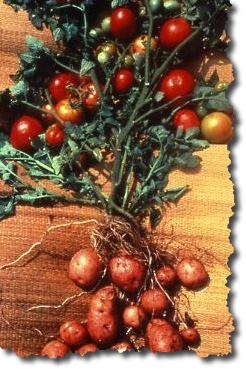
Imagine harvesting both tomatoes and potatoes from a single plant growing in your garden. Sounds like something out of a science fiction movie, right? Well, it's not! Introducing the fascinating world of the*Pomato plant, a unique creation that combines the best of both worlds. Let's explore the wonders of Pomato Plant Seeds and discover how you can grow your own double-yielding marvel.
What are Pomato Plant Seeds? The Science Behind This Horticultural Marvel
Before we dive into growing your own, let's clarify what Pomato plant seeds actually are and how they come to be. It's important to understand that Pomato plantsaren'tgrown from seeds. Instead, a Pomato plant is created through a process calledgrafting. Grafting involves joining two separate plants together so they grow as one. In the case of the Pomato, a tomato plant is grafted onto a potato plant. The beauty of grafting is that you’re not modifying the DNA of either plant; you're simply combining their stems to create a single, unified plant that can then produce both tomatoes above ground and potatoes below.
Why No Pomato Plant Seeds? Understanding the Grafting Process
The fact that Pomato plants don’t grow from seeds is a key point. Since grafting is a physical union of two plants rather than a genetic blend, the plant doesn't produce a hybrid seed. The tomatoes produced on the grafted plant will still produce tomato seeds, and the potatoes will still produce potato eyes, which can be used to grow more potato plants; however, these seeds and eyes will only produce tomatoes and potatoes respectively, not Pomato plants. You will never get a Pomato plant grown from any resulting seeds. The plant is physically combined. If you want Pomato plants, you need to graft them each time.
Think of it like this:imagine building a house where the foundation is made of brick (potato plant) and the upper floors are made of wood (tomato plant). The bricks and wood don't magically blend to create a new material; they simply exist together in the same structure. Similarly, the tomato and potato plants maintain their individual characteristics, producing their respective fruits and tubers on the same plant.
The History and Development of Pomato Plants
The idea of combining tomatoes and potatoes has been around for centuries. Farmers and gardeners have long been fascinated by the possibility of maximizing space and resources by growing two crops simultaneously on a single plant. While the concept is simple, the practical application required significant horticultural knowledge and skill. Early attempts at grafting were often unsuccessful, leading to weak or unproductive plants. However, advancements in grafting techniques and a better understanding of plant physiology have paved the way for more robust and reliable Pomato plants.
One of the most notable successes in Pomato plant development came from a British company called Thompson & Morgan. They spent years perfecting the grafting process and were the first to commercially sell Pomato plants to the public. Their efforts have helped popularize the concept and make it more accessible to home gardeners around the world. Now many nurseries across the United States offer Pomato Plants as well.
Benefits of Growing Your Own Pomato Plant
Now that you understand the science behind it, let's explore the advantages of growing your own Pomato plant. Despite the fact that Pomato Plants require grafting, these are great to have for gardeners. Here are some key benefits:
- Space Saving: A Pomato plant allows you to grow two crops in the space of one. This is particularly beneficial for gardeners with limited space, such as those living in apartments or urban areas.
- Novelty Factor: Let's face it; Pomato plants are just plain cool! They're a great conversation starter and a fun way to impress your friends and neighbors.
- Educational Opportunity: Growing a Pomato plant can be a valuable learning experience, especially for children. It teaches them about plant biology, grafting techniques, and the importance of sustainable gardening practices.
- Potential Yield: A well-maintained Pomato plant can produce a significant amount of tomatoes and potatoes, potentially increasing your overall harvest.
Understanding Potential Challenges with Pomato Plant Growth
Despite the potential benefits, it's important to be aware of some of the challenges associated with growing Pomato plants. Grafting, although simple in concept, requires care. The graft point needs to be protected and supported as it grows. There is a chance of a graft being unsuccessful. Some varieties of tomato and potato might not be suitable for grafting. Also, potatoes and tomatoes have different nutritional requirements, so you need to be extra careful when fertilizing the Pomato plant. Lastly, pests and diseases can affect both tomatoes and potatoes, requiring vigilant monitoring and preventative measures. Keeping all of these factors in mind can result in the successful cultivation of the Pomato plant.
Where to Find Pomato Plants (Since There Are No Actual Pomato Plant Seeds)
As we've established, you won't find Pomato plant seeds. However, you can easily acquire a Pomato plant from several sources. Here are a few options:
- Online Retailers: Many online nurseries and garden centers specialize in unique and hard-to-find plants, including Pomato plants. Search for “Pomato plant for sale” to find available options.
- Local Nurseries: Check with your local nurseries and garden centers. While they may not always have Pomato plants in stock, they may be able to special order one for you.
- Grafting Your Own: If you're feeling adventurous, you can try grafting your own Pomato plant. This requires a bit of skill and patience, but it can be a rewarding experience. You'll need a tomato plant and a potato plant, as well as some grafting tape and a sharp knife.
Tips for Selecting a Healthy Pomato Plant
When purchasing a Pomato plant, it's essential to choose a healthy specimen. Here are some tips to keep in mind:
- Check the Graft Union: Examine the point where the tomato and potato plants are joined. The graft union should be strong, healthy, and free from any signs of damage or disease.
- Inspect the Foliage: Look for vibrant green leaves that are free from spots, discoloration, or insect infestations.
- Assess the Overall Health: The plant should appear vigorous and well-established in its pot. Avoid plants that look wilted, stressed, or unhealthy.
Caring for Your Pomato Plant: Growing a Successful Harvest
Once you have your Pomato plant, it's crucial to provide it with the right care to ensure a bountiful harvest. Here are some essential tips:
Sunlight and Soil Requirements
Pomato plants need at least 6-8 hours of sunlight per day. Choose a location in your garden that receives plenty of direct sunlight. The soil should be well-draining and rich in organic matter. Amend the soil with compost or other organic materials to improve its fertility and drainage. In terms of soil p H, a range of 6.0 to
6.8 is ideal for both tomatoes and potatoes.
Watering and Fertilizing
Water your Pomato plant regularly, especially during hot, dry weather. Aim to keep the soil consistently moist but not waterlogged. Overwatering can lead to root rot and other problems. Fertilize your Pomato plant every 2-3 weeks with a balanced fertilizer that is suitable for both tomatoes and potatoes. Look for a fertilizer that contains nitrogen, phosphorus, and potassium, as well as micronutrients like iron, manganese, and zinc. Remember to follow the manufacturer's instructions carefully to avoid over-fertilizing.
Pruning and Support
Pruning is essential for maintaining the health and productivity of your Pomato plant. Regularly remove any suckers (small shoots that grow from the base of the tomato plant) to encourage more vigorous growth of the main stems. You may also need to prune some of the lower leaves to improve air circulation and prevent disease. Pomato plants can become quite heavy with tomatoes and potatoes, so it's important to provide them with adequate support. Use stakes, cages, or trellises to support the stems and prevent them from bending or breaking under the weight of the fruit.
Pest and Disease Management
Pomato plants are susceptible to a variety of pests and diseases, including aphids, whiteflies, spider mites, blight, and early blight. Regularly inspect your plant for any signs of infestation or disease. If you notice any problems, take action immediately to prevent them from spreading. You can use organic pesticides or fungicides to control pests and diseases. Alternatively, you can try companion planting. For example, basil planted near tomatoes helps to repel aphids. Make sure that your Pomato plant has good air circulation and adequate sunlight, and water it properly to minimize the risk of disease.
The Future of Pomato Plants and Beyond
The Pomato plant is more than just a novelty; it represents the ingenuity and innovation of modern horticulture. While Pomato Plant Seeds remain a hypothetical concept, the success of grafted Pomato plants has opened up new possibilities for combining different crops and maximizing food production in limited spaces. As grafting techniques continue to improve and become more widely accessible, we can expect to see even more exciting combinations of plants in the future. Imagine a plant that produces eggplant and peppers, or broccoli and cauliflower! The possibilities are endless, and the Pomato plant serves as a testament to the power of human ingenuity to transform the world of gardening and agriculture.