Are you dreaming of juicy, sun-ripened tomatoes bursting with flavor, but lack the space or the time for a traditional garden? Or perhaps you're tired of constantly worrying about whether your tomato plants are getting enough water? Then, the world of self-watering containers might just be your gardening salvation! Let's dive in and explore how you can grow amazing tomatoes using this clever and convenient method. The Magic of Self Watering Containers for Tomato Plants Self-watering containers, sometimes called sub-irrigated planters (SIPs), are designed to provide a consistent and reliable water supply to your plants, minimizing the need for frequent watering and dramatically reducing water waste. For tomato plants, which are known for their thirstiness, this can be a game-changer! The beauty of a tomato plant self watering container lies in its simplicity and efficiency. It essentially creates a mini-reservoir beneath the soil, allowing the plant...
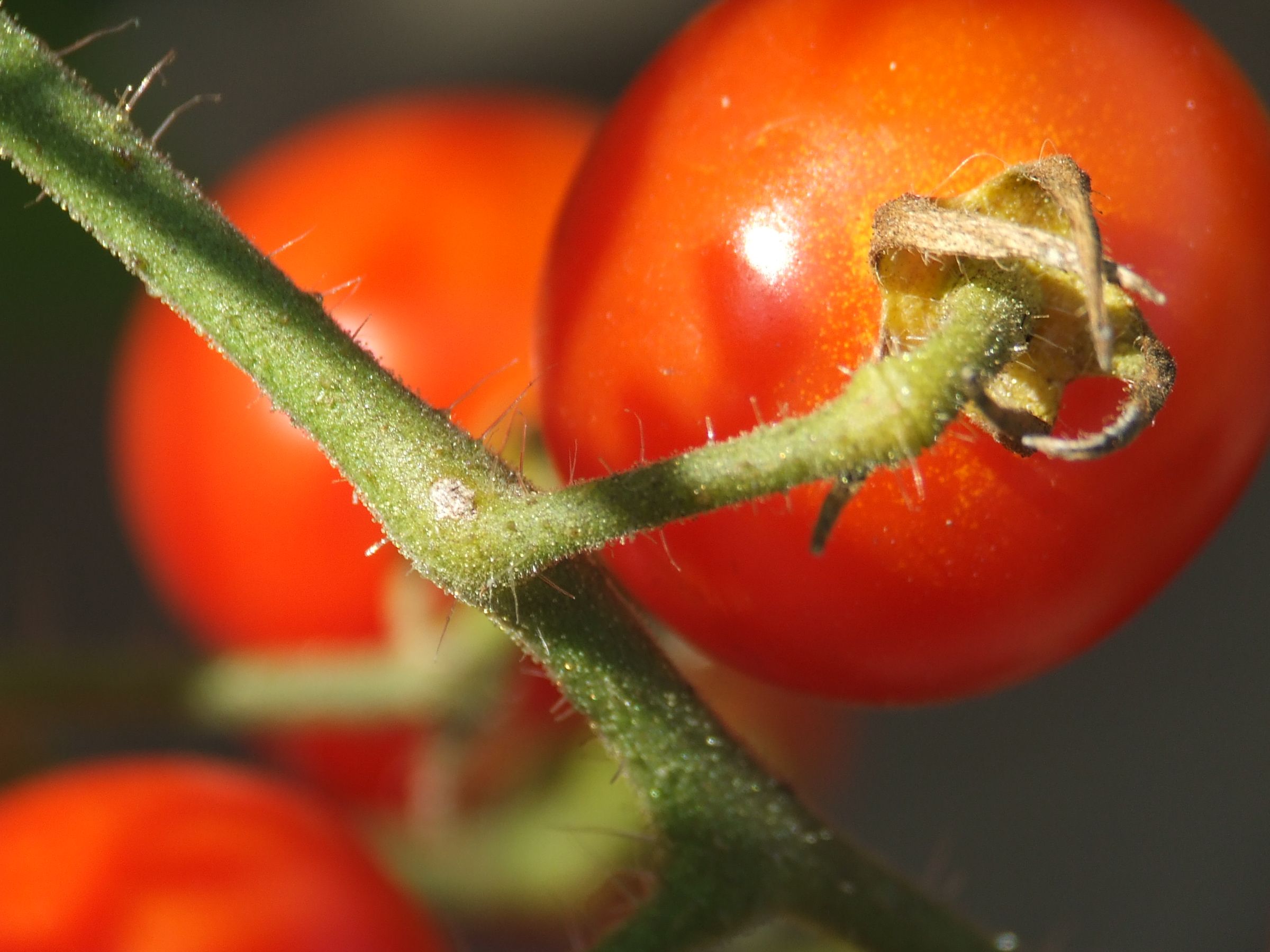
So, you've bravely ventured into the world of indoor gardening with your Aerogarden and you're growing tomatoes. That's fantastic! You're watching those little green beauties grow, anticipating the juicy, ripe rewards. But then...nothing. Or very few tomatoes. What's going on? The secret lies in pollination, and since you're growing indoors, you need to lend a helping hand. Let's dive into the process of how to pollinate your Aerogarden tomatoes and ensure a bountiful harvest!
Understanding Pollination and Aerogarden Tomatoes
Pollination is the transfer of pollen from the male part (stamen) of a flower to the female part (pistil), which then allows fertilization and the development of fruit (in our case, tomatoes). Outside, wind and insects (like bees) do this job naturally. Inside your Aerogarden, however, you become the pollinator. Why is this so important when growing Aerogarden tomatoes? Because tomatoes are self-pollinating, meaning a single flower can pollinate itself. However, they still need assistance for the pollen to actually move within the flower.
Without pollination, your tomato plants will produce beautiful flowers, but these flowers will simply drop off without producing any fruit. It's heartbreaking to see all that potential go to waste! So, learning how to effectivelypollinate tomatoes in your Aerogardenis crucial to a successful harvest. Here are a few key facts about tomato pollination:
- Tomatoes have "perfect" flowers, containing both male and female parts.
- Pollen needs to be released from the anther (part of the stamen) and transferred to the stigma (part of the pistil).
- Vibration is key to releasing pollen in self-pollinating tomato plants. Outdoors, wind provides this vibration. Indoors, you must replicate it.
Methods for Pollinating Your Aerogarden Tomatoes
Now for the practical stuff! There are several easy and effective ways to pollinate your Aerogarden tomatoes. Let's explore the most popular methods:
The "Wiggle" Method (Shaking/Tapping)
This is perhaps the simplest and most common technique. Gently shake or tap the main stem of your tomato plant, or even each individual flower cluster. The goal is to dislodge pollen and encourage it to fall onto the stigma. Here's how to do it effectively:
- Frequency: Do this daily or every other day, preferably around midday when the air is drier (pollen is released more easily in dry conditions).
- Technique: Be gentle! You don't want to damage the plant. A light shake or tap is all that's needed.
- Timing: Pollinate when the flowers are fully open and receptive.
Using a Small Brush
This method involves using a small, soft-bristled brush (like a small paintbrush or even a clean makeup brush) to manually transfer pollen. This gives you more precision and control. Consider this method as your indoor bee!
- Technique: Gently brush the inside of each flower, focusing on the anthers (the pollen-producing parts). Then, use the same brush to gently touch the stigma (the central part of the flower).
- Flower to Flower: Some people prefer to use one brush per plant, however, using one brush across multiple plants is perfectly fine.
- Cleaning: Keep the brush clean and dry between uses.
Using an Electric Toothbrush or Vibrator
This might sound a bit unconventional, but it's a highly effective method! The gentle vibrations mimic the natural vibrations of wind or bee activity. This is one of the mosthighly recommended andsuccessful methods, especially for larger Aerogarden setups with multiple tomato plants.
- Technique: Hold the back of the electric toothbrush or vibrator against the stem of the flower cluster for a few seconds. Be careful not to touch the flowers directly.
- Frequency: Use this method every other day.
- Power: Use the lowest setting on your electric toothbrush/vibrator to prevent damage.
Air Circulation with a Fan
While not as direct as the other methods, providing adequate air circulation around your Aerogarden tomato plants can help with pollination. A small fan can gently move the plant and help dislodge pollen.
- Placement: Position the fan so it gently blows across the plants, not directly at them.
- Timing: Run the fan for a few hours each day.
- Additional benefits: Good air circulation also helps prevent fungal diseases.
Troubleshooting Pollination Problems in Aerogarden Tomatoes
Even with diligent pollination efforts, you might still encounter issues. Here are some common problems and their solutions:
- High Humidity: Excess humidity can make pollen sticky and less likely to be released. Ensure good air circulation and consider using a dehumidifier if necessary. The ideal humidity range for tomato pollination is between 40% and 70%.
- High Temperatures: Temperatures above 90°F (32°C) can also hinder pollination. Keep your Aerogarden in a location with stable temperatures.
- Nutrient Imbalances: Improper nutrient levels can affect flower development and pollination. Ensure you're using a balanced nutrient solution specifically formulated for tomatoes.
- Not Enough Light: Tomatoes need sufficient light for healthy growth and flower production. Ensure your Aerogarden's grow lights are adequate and properly positioned.
According to a study by Purdue University, consistent daily vibration resulted in a30% increase in fruit set compared to plants that were not vibrated. This highlights the importance of regular pollination efforts.
Knowing When You've Succeeded
How do you know if your pollination efforts are paying off? Here are the telltale signs:
- Flowers Stay Attached: Instead of dropping off, the flowers will start to swell at the base.
- Tiny Green Tomatoes: You'll see small green tomatoes forming where the flowers used to be.
- Overall Plant Health: A successfully pollinated plant will continue to grow vigorously and produce more flowers.
Seeing those tiny green tomatoes emerge is incredibly rewarding. It's a sign that your efforts are paying off and you're well on your way to a delicious harvest of homegrown Aerogarden tomatoes! Remember, patience is key. It takes time and consistent effort to master the art of indoor tomato pollination. But with a little practice, you'll be enjoying fresh, flavorful tomatoes year-round.
Growing tomatoes indoors doesn't have to be intimidating, and a great solution for getting started in growing tomatoes is using hydroponics. With the Ahopegarden Indoor Garden Hydroponics Growing System, you can experience the joy of harvesting your own lettuce, herbs, and even tomatoes! This hydroponic planter allows for a bountiful countertop harvest. You can check it out here: Ahopegarden Indoor Garden Hydroponics Growing System.