Are you dreaming of juicy, sun-ripened tomatoes bursting with flavor, but lack the space or the time for a traditional garden? Or perhaps you're tired of constantly worrying about whether your tomato plants are getting enough water? Then, the world of self-watering containers might just be your gardening salvation! Let's dive in and explore how you can grow amazing tomatoes using this clever and convenient method. The Magic of Self Watering Containers for Tomato Plants Self-watering containers, sometimes called sub-irrigated planters (SIPs), are designed to provide a consistent and reliable water supply to your plants, minimizing the need for frequent watering and dramatically reducing water waste. For tomato plants, which are known for their thirstiness, this can be a game-changer! The beauty of a tomato plant self watering container lies in its simplicity and efficiency. It essentially creates a mini-reservoir beneath the soil, allowing the plant...
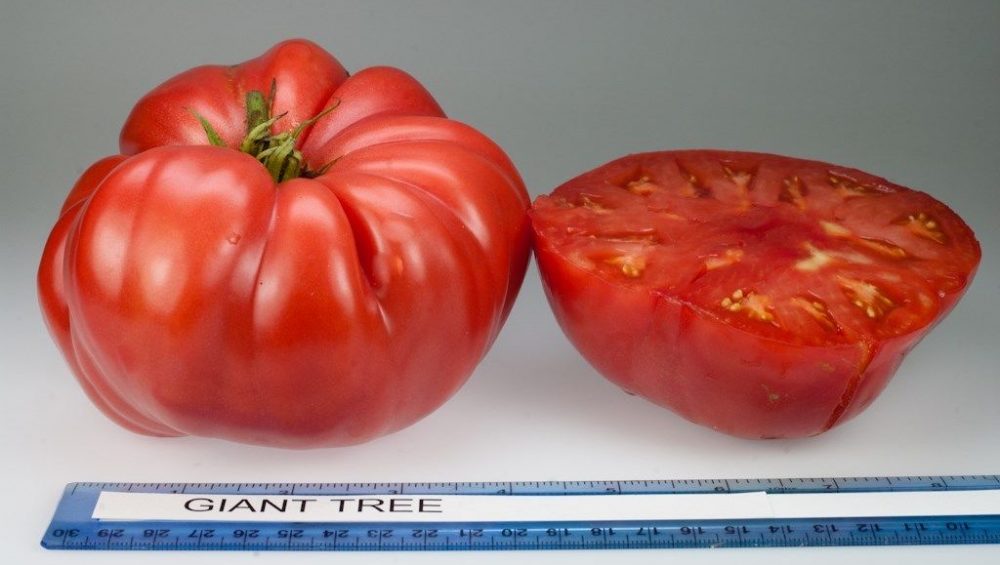
Imagine stepping into your garden and being greeted by a towering tomato plant, laden with hundreds, maybe even thousands, of juicy tomatoes. It sounds like something out of a fairytale, right? Well, it’s not as far-fetched as you might think! With the right techniques and a little dedication, you can learn how to grow a giant tomato tree that will be the envy of the neighborhood.
Unlocking the Secrets to Growing a Giant Tomato Tree
Growing a "tomato tree," technically a very large indeterminate tomato plant trained for size and yield, is an ambitious but rewarding project. It involves creating the ideal growing conditions, providing consistent care, and meticulously training the plant. The key is understanding the needs of indeterminate tomato varieties, which continue to grow and produce fruit throughout the season.
Choosing the Right Tomato Variety for Your Giant Tomato Tree
The first, and arguably most important step, is selecting the right tomato variety. Indeterminate varieties are essential because they don't stop growing at a certain height like determinate varieties. They keep vining and producing new growth, making them perfect for training into a tree-like structure.
Recommended Indeterminate Tomato Varieties:
- 'Big Boy': A classic choice known for its large, flavorful tomatoes.
- 'Beefmaster': Another reliable variety that produces hefty fruits.
- 'Supersteak': As the name suggests, this variety yields massive tomatoes.
- 'Cherokee Purple': An heirloom variety with a rich, complex flavor and stunning color.
- 'Brandywine': Another heirloom favorite, prized for its exceptional taste and large size.
Consider your local climate and growing season when making your selection. Some varieties perform better in warmer climates, while others are more tolerant of cooler temperatures. Do your research to ensure you choose a tomato that will thrive in your garden.
Creating the Ideal Growing Environment
To grow a truly giant tomato tree, you need to provide the plant with the perfect environment. This includes ample sunlight, nutrient-rich soil, and adequate support.
Sunlight Requirements
Tomatoes need at least 6-8 hours of direct sunlight per day. Choose a location in your garden that receives full sun throughout the growing season. If you live in an area with intense summer heat, some afternoon shade can be beneficial to prevent the plant from getting scorched. Observe your garden throughout the day to ensure the chosen spot gets enough sunlight.
Soil Preparation
Tomatoes thrive in well-drained, fertile soil with a slightly acidic p H (around 6.0-6.8). Before planting, amend your soil with plenty of organic matter, such as compost, aged manure, or peat moss. This will improve drainage, aeration, and nutrient content. A soil test can help you determine the specific nutrient deficiencies in your soil, allowing you to amend it accordingly. Consider adding slow-release fertilizer at planting time to provide the plant with a steady supply of nutrients.
Support Structure
A strong and sturdy support structure is crucial for a giant tomato tree. The plant will become incredibly heavy as it grows and produces fruit, so you need something that can withstand the weight. Options include:
- Heavy-duty tomato cages: Choose cages that are at least 6 feet tall and made of thick wire. Reinforce them with stakes for added stability.
- Trellises: A strong trellis can provide excellent support for a sprawling tomato plant. Make sure the trellis is securely anchored in the ground.
- Custom-built structures: For the most ambitious gardeners, consider building a custom support structure out of wood or metal. This allows you to create a structure that perfectly fits your garden and the size of your tomato tree.
Planting and Training Your Tomato Seedlings to Grow Into a Giant Tomato Tree
Starting with healthy seedlings is key to a successful tomato tree. You can either purchase seedlings from a local nursery or start your own from seed.
Starting from Seed
Starting your own seeds gives you more control over the entire process and allows you to choose from a wider variety of tomato varieties. Sow your seeds indoors 6-8 weeks before the last expected frost. Use a seed-starting mix and provide plenty of light. A great way to get a head start on your growing season is by usingseed starter trays with a humidity dome. The Seed Starter Trays Self-Watering - Kit with Humidity Dome, 5-Pack 60-Cell Plant Seedling Tray,Reusable Germination Trays for Indoor Gardening Seeds Growing Starting, which are readily available online, create an ideal environment for germination. You can find them at https://amzn.to/3RMLITT. Once the seedlings have developed their first true leaves, transplant them into larger pots.
Transplanting Seedlings
Once the danger of frost has passed and the soil has warmed up, it's time to transplant your seedlings into the garden. Choose a cloudy day to minimize transplant shock. Dig a hole that is slightly larger than the root ball of the seedling. Gently remove the seedling from its pot and loosen the roots. Plant the seedling deep, burying the stem up to the first set of leaves. This will encourage the plant to develop a stronger root system. Water thoroughly after planting.
Training Techniques
Training your tomato plant is essential for creating a tree-like structure. The goal is to encourage vertical growth and create a strong central stem. Here are some key techniques:
- Pruning suckers: Suckers are small shoots that grow in the crotch between the main stem and the branches. Remove these regularly to redirect the plant's energy towards fruit production and vertical growth.
- Staking or caging: As the plant grows, provide support by tying it to a stake or guiding it through a cage. Use soft ties to avoid damaging the stem.
- Pinching: Pinch off the growing tips of the side branches to encourage the plant to focus its energy on the central stem and fruit production.
Providing Ongoing Care for Your Growing Tomato Tree
Once your tomato tree is established, consistent care is essential for maintaining its health and productivity.
Watering
Tomatoes need consistent moisture, especially during fruit development. Water deeply and regularly, aiming for about 1-2 inches of water per week. Avoid overhead watering, which can promote fungal diseases. Use a soaker hose or drip irrigation to deliver water directly to the roots.
Fertilizing
Tomatoes are heavy feeders and require regular fertilization. Use a balanced fertilizer with a higher potassium content to promote fruit production. Apply fertilizer every 2-3 weeks, following the instructions on the label. Consider using organic fertilizers like compost tea or fish emulsion.
Pest and Disease Control
Tomatoes are susceptible to a variety of pests and diseases. Regularly inspect your plants for signs of trouble. Common pests include aphids, tomato hornworms, and whiteflies. Use organic pest control methods, such as insecticidal soap or neem oil, to control infestations. Common diseases include early blight, late blight, and blossom end rot. Preventative measures include proper watering, good air circulation, and crop rotation. If diseases do occur, treat them promptly with appropriate fungicides.
Harvesting Your Bountiful Crop
Harvest your tomatoes when they are fully ripe and have reached their mature color. Gently twist the tomato off the vine, leaving a small piece of stem attached. Enjoy your homegrown tomatoes in salads, sauces, or simply sliced and eaten fresh. With proper care and attention, your giant tomato tree will provide you with a bountiful harvest for months to come.