Are you dreaming of juicy, sun-ripened tomatoes bursting with flavor, but lack the space or the time for a traditional garden? Or perhaps you're tired of constantly worrying about whether your tomato plants are getting enough water? Then, the world of self-watering containers might just be your gardening salvation! Let's dive in and explore how you can grow amazing tomatoes using this clever and convenient method. The Magic of Self Watering Containers for Tomato Plants Self-watering containers, sometimes called sub-irrigated planters (SIPs), are designed to provide a consistent and reliable water supply to your plants, minimizing the need for frequent watering and dramatically reducing water waste. For tomato plants, which are known for their thirstiness, this can be a game-changer! The beauty of a tomato plant self watering container lies in its simplicity and efficiency. It essentially creates a mini-reservoir beneath the soil, allowing the plant...
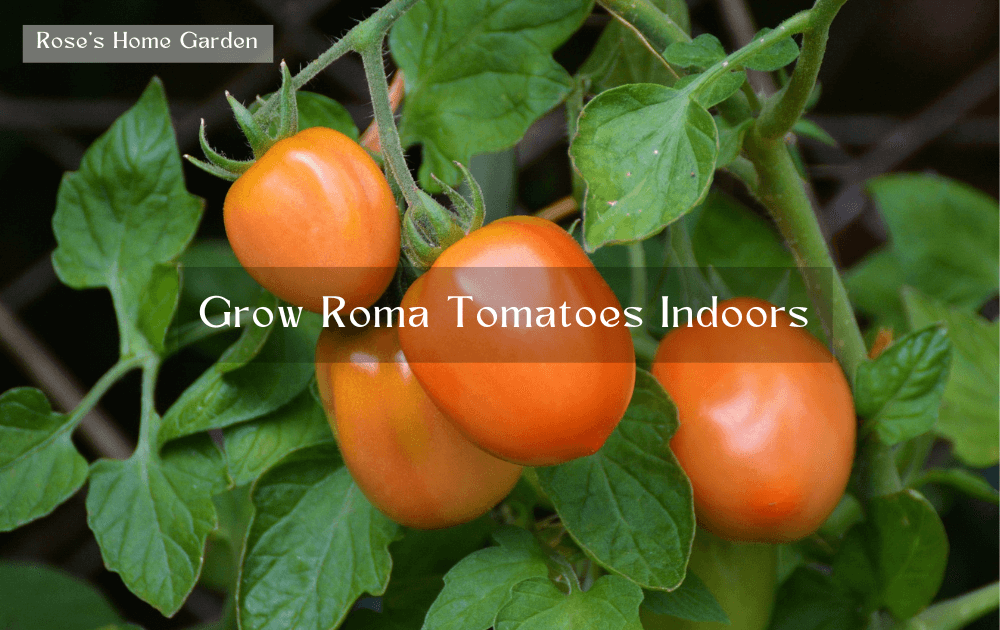
Imagine biting into a juicy, sun-ripened Roma tomato, bursting with flavor, even in the dead of winter. Sounds like a dream, right? Well, it doesn't have to be! Growing your own Roma tomatoes indoors is totally achievable, and I'm here to guide you through every step. Get ready to enjoy fresh, homegrown tomatoes all year round.
Why Grow Roma Tomatoes Indoors?
Let's face it, commercially grown tomatoes often lack that true, vine-ripened taste. Growing your own allows you to control the entire process, from the soil to the sunlight, resulting in a more flavorful and satisfying experience. Plus, growing Roma tomatoes indoors extends your growing season, allowing you to enjoy these versatile fruits long after the outdoor harvest is over. Beyond the taste, it's incredibly rewarding to nurture a plant from seed to harvest. There's something special about picking your own tomatoes and knowing exactly where they came from and exactly what went into growing it. It's a sustainable way to eat and reduces your reliance on store-bought produce, which can sometimes be shipped from thousands of miles away. Furthermore, you get to avoid harmful pesticides and herbicides, ensuring healthier food for you and your family. Finally, it's a great project, especially during colder months. It brings a touch of nature inside, adding beauty and vibrancy to your home.
Choosing the Right Roma Tomato Variety for Indoor Growing
Not all Roma tomato varieties are created equal when it comes to indoor growing. You'll want to select a determinate variety, which grows to a compact size and produces all its fruit at once, making it ideal for container gardening. Indeterminate varieties, on the other hand, continue to grow and produce fruit throughout the season, which can be challenging in a confined indoor space. While theoretically possible, you'll need much bigger containers and more support as they grow. Look for varieties specifically bred for container growing and early ripening. Some excellent options include:
- Roma VF: A classic, reliable choice known for its disease resistance.
- Heinz 1439 VF: Another popular option that produces a high yield of flavorful tomatoes.
- San Marzano: Considered by many to be the best Roma tomato for sauce, this variety is also well-suited for indoor growing, especially with adequate support.
- Tiny Roma: A more compact version for smaller spaces.
When selecting your variety, consider your available space, desired fruit size, and flavor preferences. Read online reviews and consult with local garden centers to find the best fit for your needs.
Essential Supplies for Growing Roma Tomatoes Inside
Before you get started, you'll need to gather the necessary supplies to ensure your Roma tomato plants thrive indoors. This is what you need to consider to make sure you have enough for your plant:
Proper Lighting is Critical for Indoor Tomato Growing
Sunlight is essential for tomato growth, but indoor environments often lack the intensity and duration needed. Supplemental lighting is crucial. Here are your lighting options for growing Roma tomatoes indoors:
- LED Grow Lights: The most energy-efficient and long-lasting option. Full-spectrum LED grow lights are ideal for providing the full range of light needed for healthy growth and fruit production. They generate less heat than other types of lights, reducing the risk of burning your plants.
- Fluorescent Grow Lights: A more affordable option, but less efficient than LEDs. T5 fluorescent grow lights are a good choice for starting seedlings and providing supplemental light.
- High-Pressure Sodium (HPS) and Metal Halide (MH) Lights: These are the most powerful options, but they also generate the most heat and consume the most energy. They are typically used for larger indoor growing operations.
Regardless of the type of light you choose, ensure your plants receive 14-16 hours of light per day during the vegetative stage and 12-14 hours during the flowering and fruiting stages. Adjust the height of the lights as your plants grow to maintain the optimal distance. A good rule of thumb is to keep the lights a few inches above the top of the plant. A timer can be a huge help in keeping the light schedule consistent, which is extremely important for healthy tomato production.
Choosing the Right Potting Mix and Container
The right potting mix is vital for healthy root development and nutrient uptake. Avoid using garden soil, as it can compact and drain poorly in containers. Instead, opt for a high-quality, soilless potting mix that is specifically formulated for container gardening. These mixes typically contain a blend of peat moss, perlite, and vermiculite, which provide excellent drainage and aeration. Consider adding compost to your mix to enrich it with organic matter and beneficial microbes. A general guideline is about 25% compost to 75% potting mix. As for the container, choose one that is at least 10-15 gallons in size. This will provide ample space for the roots to grow. Make sure the container has drainage holes to prevent waterlogging. Clay pots are aesthetically pleasing and allow for good air circulation, but they can dry out quickly. Plastic pots retain moisture better, but it's important to monitor the moisture level carefully. Fabric pots are another option that allows for excellent drainage and aeration. They also help to prevent root circling, which can stunt plant growth.
Watering and Fertilizing Your Indoor Roma Tomatoes
Watering and fertilizing are crucial for maintaining healthy, productive tomato plants. Water deeply and consistently, allowing the top inch of soil to dry out between waterings. Avoid overwatering, which can lead to root rot. A good way to check the moisture level is to stick your finger into the soil. If it feels dry to the touch, it's time to water. Water early in the day to allow the foliage to dry before nightfall, which can help prevent fungal diseases. Roma tomatoes are heavy feeders and require regular fertilization. Use a balanced fertilizer specifically formulated for tomatoes, following the instructions on the label. Typically, you'll want to start fertilizing a few weeks after transplanting your seedlings, and continue throughout the growing season. Consider using a liquid fertilizer every 2-3 weeks, or a slow-release fertilizer that releases nutrients gradually over time. Some growers also supplement with Epsom salts to provide magnesium, which can help prevent blossom end rot. Use only small doses, as an abundance of salts can damage your plants.
Temperature and Humidity Control for Growing Roma Tomatoes Indoors
Roma tomatoes thrive in temperatures between 65°F and 85°F (18°C and 29°C). Maintaining this temperature range is essential for optimal growth and fruit production. Avoid exposing your plants to drafts or sudden temperature fluctuations. Humidity levels should be between 40% and 60%. Low humidity can lead to dry leaves and blossom drop, while high humidity can promote fungal diseases. If the air is too dry, you can increase humidity by placing a tray of water near your plants, using a humidifier, or misting the foliage regularly. If the air is too humid, improve air circulation by opening a window or using a fan. Monitor the temperature and humidity levels regularly using a thermometer and hygrometer.
Pollinating Your Indoor Roma Tomatoes
Unlike outdoor tomatoes that rely on wind and insects for pollination, indoor tomatoes require manual pollination. This is a simple process that involves transferring pollen from the stamen (male part) to the pistil (female part) of the flower. There are several ways to pollinate your indoor tomatoes:
- Shaking the plant: Gently shake the plant several times a week to dislodge pollen.
- Using a small brush: Use a small, soft brush to collect pollen from the stamen and transfer it to the pistil.
- Using an electric toothbrush: Turn on an electric toothbrush and gently touch it to the back of each flower for a few seconds. The vibrations will help release pollen.
Pollinate your tomatoes in the morning, when the pollen is most viable. Repeat the pollination process every few days, especially during the flowering period. You'll know pollination was successful when the flower petals start to dry and the fruit begins to develop. You can also improve your chance of pollination with a fan by helping to move the pollen around.
Step-by-Step Guide to Growing Roma Tomatoes Indoors
Starting from Seed vs. Buying Seedlings
You have two options when starting your indoor Roma tomato garden: starting from seed or buying seedlings. Starting from seed gives you more control over the process and allows you to choose from a wider variety of Roma tomato varieties. However, it requires more time and effort. Buying seedlings is a quicker and easier option, but you'll have less control over the variety and the plant's early development.
Starting from Seed:
- Sow seeds indoors 6-8 weeks before the last expected frost. Use a seed-starting mix and sow seeds ¼ inch deep in small pots or seed trays.
- Keep the soil moist and warm. Use a heat mat to maintain a soil temperature of 75-85°F (24-29°C).
- Provide adequate light. Once the seedlings emerge, provide 14-16 hours of light per day using grow lights.
- Transplant seedlings into larger pots when they have developed their first true leaves.
Buying Seedlings:
- Choose healthy seedlings with strong stems and green leaves. Avoid plants that are leggy, yellowed, or have signs of disease.
- Gently remove the seedlings from their containers and inspect the roots. Avoid plants with circling or matted roots.
- Transplant seedlings into your chosen container.
Transplanting Your Roma Tomato Seedlings
Once your seedlings are strong enough, it's time to transplant them into their final containers. Choose a container that is at least 10-15 gallons in size and has drainage holes. Fill the container with a high-quality potting mix and create a hole in the center that is large enough to accommodate the root ball. Gently remove the seedling from its pot and loosen the roots. Place the seedling in the hole and fill with potting mix, gently packing it around the base of the plant. Water thoroughly after transplanting. You can bury the stem a little deeper than it was in the previous container, as tomatoes can grow roots from the stem.
Pruning and Supporting Your Roma Tomato Plants
Pruning is an essential part of growing healthy, productive Roma tomato plants indoors. Pruning helps to improve air circulation, reduce the risk of disease, and encourage fruit production. Remove suckers (the small shoots that grow between the main stem and the branches) regularly. These suckers will compete with the main stem for nutrients and can reduce fruit yield. Pinch off any yellowed or diseased leaves. As your plants grow, they will need support to prevent them from falling over. Use stakes, cages, or trellises to provide support. Tie the main stem to the support structure using soft plant ties. Make sure that you are supporting the tomato plant as it grows to ensure it produces tomatoes instead of falling under the weight of the produce.
Harvesting Your Home Grown Roma Tomatoes
Roma tomatoes typically take 70-80 days to mature after transplanting. You'll know your tomatoes are ready to harvest when they are fully colored, firm to the touch, and easily detach from the vine. Gently twist or cut the tomatoes from the plant, leaving a small piece of the stem attached. Store your harvested tomatoes at room temperature for the best flavor. Avoid refrigerating them, as this can diminish their taste and texture. You can also freeze your Roma tomatoes for later use. Simply wash and dry the tomatoes, then freeze them whole or diced in freezer bags. You can roast the tomatoes before freezing, if you prefer. You can use them to make salsa, sauce, juice, or just to eat.
Common Problems and Solutions for Indoor Roma Tomato Growing
Even with the best care, you may encounter some problems when growing Roma tomatoes indoors. Here are some common issues and their solutions:
- Blossom End Rot: Caused by calcium deficiency. Ensure consistent watering and add calcium to the soil.
- Pests: Aphids, spider mites, and whiteflies can infest indoor tomato plants. Use insecticidal soap or neem oil to control these pests.
- Fungal Diseases: Powdery mildew and early blight can affect tomato plants in humid environments. Improve air circulation and use a fungicide if necessary.
- Yellowing Leaves: Can be caused by nutrient deficiencies, overwatering, or underwatering. Adjust your watering and fertilizing practices accordingly.
Enjoying Your Homegrown Roma Tomatoes
Now that you've successfully grown your own Roma tomatoes indoors, it's time to enjoy the fruits of your labor! Use them in your favorite recipes, such as pasta sauce, salsa, soup, or salads. You can also enjoy them fresh off the vine as a healthy snack. Experiment with different varieties to find your favorite flavor. Growing Roma tomatoes indoors is a rewarding experience that allows you to enjoy fresh, delicious tomatoes all year round. Happy growing!