Are you dreaming of juicy, sun-ripened tomatoes bursting with flavor, but lack the space or the time for a traditional garden? Or perhaps you're tired of constantly worrying about whether your tomato plants are getting enough water? Then, the world of self-watering containers might just be your gardening salvation! Let's dive in and explore how you can grow amazing tomatoes using this clever and convenient method. The Magic of Self Watering Containers for Tomato Plants Self-watering containers, sometimes called sub-irrigated planters (SIPs), are designed to provide a consistent and reliable water supply to your plants, minimizing the need for frequent watering and dramatically reducing water waste. For tomato plants, which are known for their thirstiness, this can be a game-changer! The beauty of a tomato plant self watering container lies in its simplicity and efficiency. It essentially creates a mini-reservoir beneath the soil, allowing the plant...
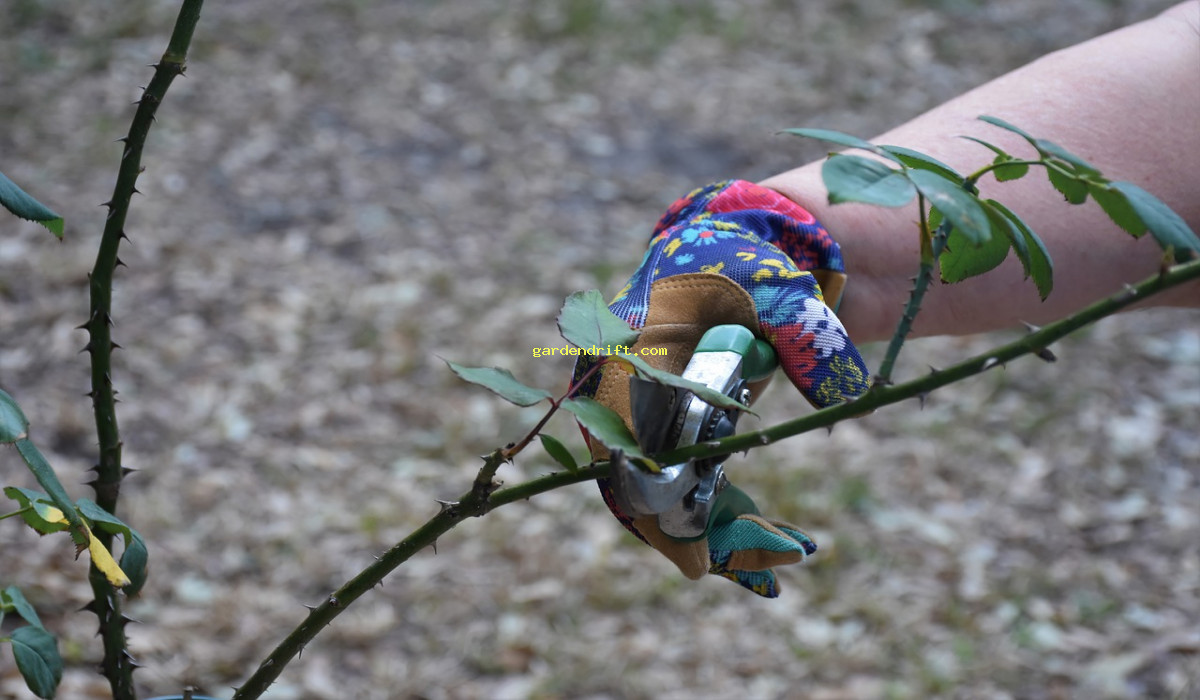
So, you've nurtured your Aerogarden tomato seedlings from tiny sprouts into something resembling miniature tomato plants! Congratulations! But now comes the slightly daunting, yet utterly crucial, step of pruning. Don't worry, it's not as scary as it sounds. Think of it as giving your little tomato jungle a stylish haircut, promoting better growth, and ultimately, a bountiful harvest of juicy tomatoes. This guide will walk you through everything you need to know about the first pruning of your Aerogarden tomatoes.
Why Prune Aerogarden Tomatoes?
Pruning your Aerogarden tomatoes, especially that first pruning, is essential for several reasons. In the enclosed environment of an Aerogarden, plants can quickly become overcrowded and leggy if left unchecked. This leads to decreased air circulation, making your plants more susceptible to diseases and pests. Plus, all that excess foliage saps energy that could be better directed towards producing delicious tomatoes. Imagine it like this: your tomato plant is a factory. Pruning helps it focus its resources on building the best possible product - tomatoes!
Here’s a breakdown of the benefits:
- Improved Air Circulation: Reducing leaf density allows for better airflow around the plant, minimizing the risk of fungal diseases like powdery mildew.
- Increased Light Penetration: More light reaches the developing tomatoes, leading to improved ripening and flavor. Think of it as giving your little tomatoes a much-needed sunbath.
- Enhanced Tomato Production: By removing suckers (more on those later!), you redirect the plant's energy towards fruit production rather than vegetative growth.
- Better Plant Structure: Pruning encourages a stronger, more manageable plant structure that can support the weight of developing tomatoes.
- Pest Control: An open canopy makes it easier to spot and address any pest issues before they become major problems.
When to Perform Your First Tomato Pruning in Your Aerogarden
Timing is key when it comes to pruning. You'll want to perform your first pruning when your tomato plants are around 6-8 inches tall and have developed several sets of true leaves. "True leaves" are the leaves that appear after the initial cotyledons (seed leaves). You're looking for leaves that resemble the typical tomato leaf shape, which are jagged and multi-lobed, not the smooth rounded cotyledons. Ideally, you should also be able to identify the first "suckers," which we'll discuss in detail later. Don't rush the process! Allow your plants to establish themselves first, but don't wait too long, or they'll become a tangled mess.
Identifying Suckers: The Key to Successful Aerogarden Tomato Pruning
Okay, let's talk aboutsuckers. This is where most of the pruning action will take place. Suckers are small shoots that grow in the "armpit" of the plant, where a branch (or leaf) meets the main stem. Think of them as freeloaders, diverting energy away from the main goal of producing tomatoes. If left unchecked, suckers will develop into full-blown branches, creating a dense, unproductive plant.
The easiest way to identify a sucker is to look for a small shoot growing at a 45-degree angle between the main stem and a branch. They often look like miniature versions of the main stem. There are two main types of pruning you will need to know about:
- Determinate Tomato Plants: These tomato plants grow to a certain size and produce most of their fruit at the same time. They require less pruning, mostly just removing the suckers near the base of the plant.
- Indeterminate Tomato Plants: These plants continue to grow and produce fruit throughout the growing season. They require more rigorous pruning, focusing on removing suckers to encourage a strong central stem and better fruit production. Most Aerogarden tomato varieties are indeterminate, therefore these plants will require consistent sucker pruning to perform well.
In general, with an Aerogarden you can remove all suckers to optimize resources towards tomato growth. However, if you are experimenting with different tomato pruning methods, it is best to understand which type of tomato you have.
How to Prune Your Aerogarden Tomatoes for the First Time
Now for the hands-on part! Here's a step-by-step guide to pruning your Aerogarden tomatoes:
- Gather Your Supplies: You'll need a pair of small, sharp pruning shears or scissors. Make sure they're clean to prevent the spread of diseases. You can sterilize them with rubbing alcohol.
- Identify Suckers: Carefully examine your tomato plants and identify the suckers growing between the main stem and the branches.
- Remove Suckers: Using your pruning shears or scissors, carefully snip off the suckers as close to the main stem as possible. Avoid damaging the main stem or the branch. If the sucker is small (less than 2 inches), you can often pinch it off with your fingers.
- Remove Lower Leaves (Optional): If the lower leaves are touching the growing medium or are yellowing, you can remove them to improve air circulation and prevent disease.
- Support Your Plants: As your tomato plants grow, they'll need support to prevent them from toppling over. Use tomato cages or stakes to provide support. Aerogardens sell their own supports for this reason!
A Note on Pruning Techniques
There are a few different schools of thought when it comes to pruning tomato plants. Some gardeners prefer to remove all suckers, while others prefer to leave a few to encourage more branching and fruit production. For Aerogarden tomatoes, especially indeterminate varieties, it's generally best to remove most of the suckers to promote a strong central stem and focus the plant's energy on fruit production. However, don't be afraid to experiment to see what works best for you and your specific Aerogarden setup.
Post-Pruning Care for Your Aerogarden Tomatoes
After pruning, your Aerogarden tomatoes will need a little extra TLC. Here are a few tips to keep them happy and healthy:
- Watering: Ensure your Aerogarden is properly watered. Check the water levels regularly and add water as needed.
- Nutrients: Continue to provide your tomato plants with the appropriate nutrients according to the Aerogarden instructions. Tomatoes are heavy feeders, so ensure they get all the nutrients they require.
- Lighting: Maintain adequate lighting for your Aerogarden tomatoes. The lights should be positioned close enough to the plants to provide sufficient light, but not so close that they burn the leaves.
- Monitoring: Keep an eye on your tomato plants for any signs of pests or diseases. Address any issues promptly to prevent them from spreading.
By following these steps, you can ensure your Aerogarden tomatoes are well-pruned and ready to produce a bountiful harvest. Remember, pruning is an ongoing process, so continue to monitor your plants and prune as needed throughout the growing season.
Want to start your seeds off strong before even putting them in your Aerogarden? Consider using a qualityseed starting tray with a humidity dome for optimal germination. Thisplant seedling tray provides a controlled environment that can significantly improve your seed starting success. A kit like thisseed starter kit withreusable germination trays is a great way to get your garden off to a thriving start. You can find aself-watering seed starter tray here: https://amzn.to/3RMLITT.