Are you dreaming of juicy, sun-ripened tomatoes bursting with flavor, but lack the space or the time for a traditional garden? Or perhaps you're tired of constantly worrying about whether your tomato plants are getting enough water? Then, the world of self-watering containers might just be your gardening salvation! Let's dive in and explore how you can grow amazing tomatoes using this clever and convenient method. The Magic of Self Watering Containers for Tomato Plants Self-watering containers, sometimes called sub-irrigated planters (SIPs), are designed to provide a consistent and reliable water supply to your plants, minimizing the need for frequent watering and dramatically reducing water waste. For tomato plants, which are known for their thirstiness, this can be a game-changer! The beauty of a tomato plant self watering container lies in its simplicity and efficiency. It essentially creates a mini-reservoir beneath the soil, allowing the plant...
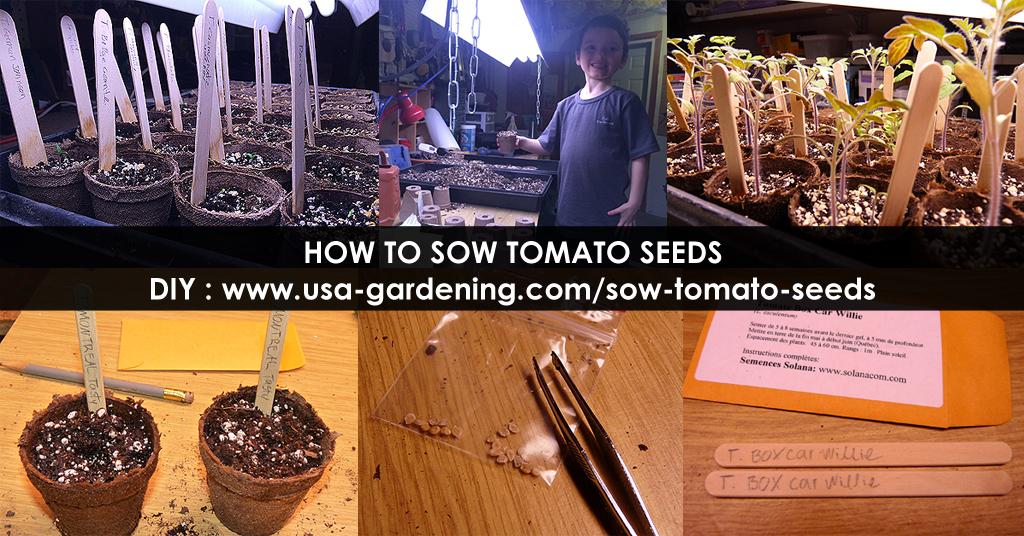
Ah, tomatoes. The cornerstone of summer salads, the heart of a good pasta sauce, and the star of your backyard garden. But getting those juicy, sun-ripened fruits starts long before the warm days arrive. Figuring out exactly when to sow your tomato seeds can feel like a bit of a guessing game, but fear not! This guide will break down everything you need to know about timing your tomato seed starting for a bountiful harvest.
Understanding the Tomato Growing Season and When to Sow Tomato Seeds
The secret to successfully growing tomatoes lies in understanding their growing season and how to align your sowing schedule with it. Tomatoes are warm-season crops, meaning they thrive in temperatures between 70°F and 85°F (21°C and 29°C). They are highly susceptible to frost, and even a light nip can damage or kill young plants. This sensitivity dictates when you should start thinking about those delicious fruits.
The key is tostart your tomato seeds indoors well before the last expected frost date in your region. This gives the seedlings a head start and allows them to develop into strong, healthy plants ready to flourish when the weather warms up. However, starting too early can lead to leggy, weak plants that struggle when transplanted. So, getting the timing just right is crucial.
The optimal time to sow tomato seeds indoors is generally6-8 weeks before the last expected frost date in your area. This timeframe provides enough time for the seedlings to germinate, develop several sets of true leaves, and become sturdy enough to handle transplanting. To find your last frost date, you can consult local weather resources, agricultural extension offices, or online gardening calculators specific to your zip code.
Factors Affecting the Timing of Sowing Tomato Seeds
While the 6-8 week guideline is a great starting point, several factors can influence when you should actually sow your tomato seeds. Consider these elements to fine-tune your planting schedule:
Your Climate and Last Frost Date
Your geographical location is the most critical determinant. Gardeners in warmer climates with longer growing seasons can often start their seeds a bit later, while those in colder regions with shorter seasons need to start earlier. Knowing your last expected frost date is non-negotiable. It's the anchor around which you'll build your entire tomato-growing plan. Remember that microclimates within your yard can also impact the timing. For example, a sheltered area near a south-facing wall might warm up faster in the spring than an exposed area.
Here’s an example table to illustrate how last frost dates impact seed starting:
| Region | Last Expected Frost Date | Recommended Seed Starting Time (Indoors) |
|---|---|---|
| ------------- | :-------------------------: | :-----------------------------------------: |
| Zone 3-4 | Late May - Early June | Late March - Early April |
| Zone 5-6 | Mid-April - Mid-May | Late February - Late March |
| Zone 7-8 | Late March - Mid-April | Mid-February - Early March |
| Zone 9-10 | Late February - Mid-March | Early January - Early February |
Tomato Variety and Days to Maturity
Different tomato varieties have different "days to maturity," which is the number of days it takes from transplanting to harvest. Early-maturing varieties, such as 'Early Girl,' have a shorter growing season and can be started slightly later than late-maturing varieties like 'Beefsteak' or 'Brandywine.' Check the seed packet for the days to maturity information. Starting late-maturing varieties too late can result in a disappointing harvest, especially in regions with shorter growing seasons. Conversely, starting early-maturing varieties too early can lead to overgrown seedlings that are difficult to manage.
Here's a breakdown:
- Early Season Tomatoes: Mature in 50-65 days from transplant. Start seeds 6 weeks before the last frost.
- Mid-Season Tomatoes: Mature in 65-80 days from transplant. Start seeds 6-8 weeks before the last frost.
- Late Season Tomatoes: Mature in 80+ days from transplant. Start seeds 8 weeks before the last frost.
Indoor Growing Conditions and Resources
The quality of your indoor growing environment significantly impacts seedling development. Strong, healthy seedlings require adequate light, warmth, and consistent moisture. If you have limited access to natural light, you'll need to supplement with grow lights. Insufficient light can result in leggy, weak plants. A heat mat can help maintain optimal soil temperatures for germination. Consistent watering is crucial, but overwatering can lead to fungal diseases. Adjust your sowing schedule based on the resources you have available to provide the optimal growing conditions.
A Step-by-Step Guide to Sowing Tomato Seeds
Now that you understand the key factors influencing timing, let's delve into the actual process of sowing your tomato seeds:
- Gather Your Supplies: You'll need tomato seeds, seed starting mix, seed trays or small pots, a spray bottle, a heat mat (optional), and grow lights (optional).
- Prepare Your Seed Starting Mix: Moisten the seed starting mix thoroughly before filling your seed trays or pots.
- Sow the Seeds: Sow 2-3 seeds per cell or pot, about ¼ inch deep.
- Water Gently: Use a spray bottle to mist the soil surface. Avoid overwatering.
- Provide Warmth: Place the seed trays on a heat mat, if using, to maintain a soil temperature of 75-85°F (24-29°C).
- Provide Light: Once the seedlings emerge, provide them with adequate light, either from a sunny window or grow lights.
- Thin Seedlings: Once the seedlings have developed their first true leaves, thin them to one plant per cell or pot.
Troubleshooting Common Seed Starting Issues
Even with careful planning, you might encounter a few challenges when starting tomato seeds. Here are some common problems and how to address them:
Poor Germination
If your seeds aren't germinating, it could be due to several factors, including old seeds, incorrect soil temperature, or overwatering. Ensure you're using fresh seeds and maintaining the proper soil temperature. Avoid overwatering, as this can cause the seeds to rot. Consider using a heat mat to ensure optimal germination conditions.
Leggy Seedlings
Leggy seedlings are tall and spindly, often due to insufficient light. Provide your seedlings with more light, either by moving them to a sunnier location or using grow lights. You can also gently brush the seedlings daily to encourage stronger stems.
Damping Off
Damping off is a fungal disease that can kill young seedlings. It's often caused by overwatering and poor ventilation. Ensure good air circulation and avoid overwatering. Consider using a fungicide if the problem persists.
Hardening Off Tomato Seedlings Before Transplanting
Before transplanting your tomato seedlings outdoors, it's crucial to "harden them off." This process gradually acclimates the seedlings to the outdoor environment, reducing the risk of transplant shock. Start by placing the seedlings outdoors in a sheltered location for a few hours each day, gradually increasing the amount of time they spend outdoors. After a week or two, they should be ready to be transplanted into your garden.
Conclusion on When to Sow Tomato Seeds
Determining the optimal time to sow tomato seeds requires careful consideration of your climate, tomato variety, and indoor growing conditions. By understanding these factors and following the steps outlined in this guide, you'll be well on your way to a bountiful tomato harvest. Remember, gardening is a learning process, so don't be afraid to experiment and adjust your methods based on your experiences. Happy gardening!