Are you dreaming of juicy, sun-ripened tomatoes bursting with flavor, but lack the space or the time for a traditional garden? Or perhaps you're tired of constantly worrying about whether your tomato plants are getting enough water? Then, the world of self-watering containers might just be your gardening salvation! Let's dive in and explore how you can grow amazing tomatoes using this clever and convenient method. The Magic of Self Watering Containers for Tomato Plants Self-watering containers, sometimes called sub-irrigated planters (SIPs), are designed to provide a consistent and reliable water supply to your plants, minimizing the need for frequent watering and dramatically reducing water waste. For tomato plants, which are known for their thirstiness, this can be a game-changer! The beauty of a tomato plant self watering container lies in its simplicity and efficiency. It essentially creates a mini-reservoir beneath the soil, allowing the plant...
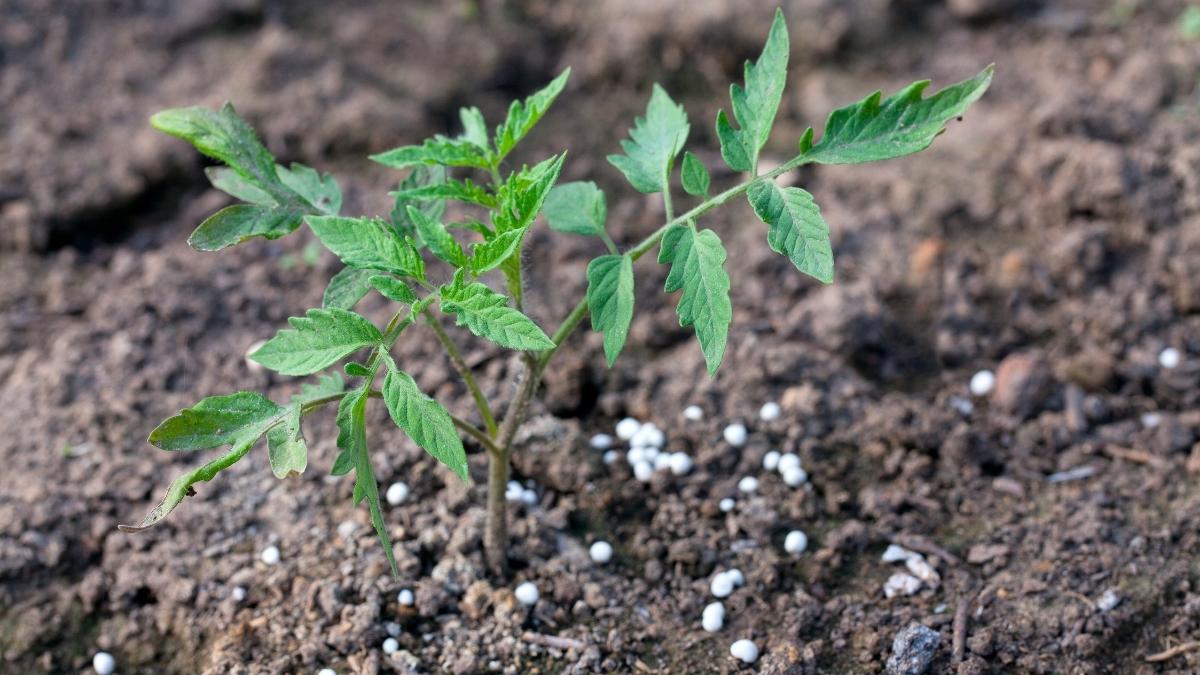
There's nothing quite like biting into a juicy, sun-ripened tomato straight from your garden. But getting those flavorful fruits starts long before you see any red—it begins with nurturing your tomato seeds. And one crucial element in that nurturing process? Giving them the right fertilizer boost. Let's delve into the world of tomato seed fertilizer and unlock the secrets to vibrant, healthy tomato plants from the very beginning.
Understanding the Importance of Tomato Seed Fertilizer
Why bother with fertilizer so early in the tomato plant's life? Well, tomato seeds, like all seeds, contain a small amount of stored food to fuel initial germination. However, this initial energy supply is quickly exhausted, and the young seedling needs external nutrients to develop strong roots and healthy leaves. Think of it as giving your tomato seedlings a head start – a nutritional jumpstart that sets them up for a productive and abundant fruiting season. Without proper fertilization, seedlings may become leggy, weak, and susceptible to diseases. This ultimately results in reduced yields and less flavorful tomatoes. Providing the correcttomato seed fertilizer is crucial to the long-term health and productivity of your tomato crop.
Choosing the Right Tomato Seed Fertilizer
Selecting the rightfertilizer for your tomato seeds can feel overwhelming, but it doesn't have to be. Here's a breakdown of key factors to consider:
NPK Ratio: The Key to Seedling Success
NPK stands for Nitrogen (N), Phosphorus (P), and Potassium (K). These are the three macronutrients that plants need in the largest quantities. The NPK ratio is always listed on fertilizer packaging (e.g., 10-10-10, 5-10-5). For tomato seedlings, you typically want a fertilizer with a slightly higher phosphorus (P) content than nitrogen (N) and potassium (K). Phosphorus promotes strong root development, which is vital for young plants. A balanced fertilizer like 5-10-5 or even a 10-20-10 diluted to half strength works well. Avoid fertilizers with extremely high nitrogen levels, as these can encourage excessive leaf growth at the expense of root development. Here's a quick breakdown of what each macronutrient does:
- Nitrogen (N): Promotes leafy green growth and overall plant vigor. Too much can delay flowering and fruiting.
- Phosphorus (P): Essential for root development, flower formation, and fruit production.
- Potassium (K): Helps with disease resistance, water regulation, and overall plant health.
Types of Tomato Seed Fertilizer: Organic vs. Synthetic
You have two main choices when it comes to fertilizer types: organic and synthetic (also known as chemical or inorganic). Both can be effective, but they differ in their composition and how they release nutrients.
Organic Tomato Seed Fertilizer
Organic fertilizers are derived from natural sources, such as compost, manure, bone meal, and kelp meal. They release nutrients slowly over time as they decompose, providing a sustained feeding to your tomato seedlings. Organic fertilizers also improve soil structure and promote beneficial microbial activity. Popular organic options for tomato seedlings include:
- Compost Tea: A gentle and nutrient-rich liquid fertilizer made by steeping compost in water.
- Worm Castings: Excellent source of nutrients and beneficial microbes.
- Fish Emulsion: Provides nitrogen and other micronutrients.
- Bone Meal: Rich in phosphorus, promoting strong root growth.
Synthetic Tomato Seed Fertilizer
Synthetic fertilizers are manufactured chemically and provide nutrients in a readily available form. They are often more concentrated than organic fertilizers and can provide a quick boost to seedlings. However, they don't improve soil structure and can potentially harm beneficial soil organisms if used excessively. Choose a high-quality synthetic fertilizer specifically formulated for seedlings or vegetables, and always follow the instructions carefully to avoid over-fertilizing. A water-soluble fertilizer with a balanced NPK ratio is a good choice for easy application.
Important Consideration: Regardless of whether you choose organic or synthetic fertilizers, using too much fertilizer can be detrimental to your tomato seedlings, leading to fertilizer burn and stunted growth. Always err on the side of caution and start with a diluted solution.
How to Apply Tomato Seed Fertilizer
Applying fertilizer correctly is just as important as choosing the right type. Here's a step-by-step guide to fertilizing your tomato seedlings:
- Start Small: Begin fertilizing your seedlings once they have developed their first set of true leaves (the leaves that appear after the initial seed leaves, or cotyledons).
- Dilute the Fertilizer: If using a concentrated liquid fertilizer, dilute it according to the package instructions. For young seedlings, it's often best to use half the recommended strength to avoid burning their delicate roots.
- Water Thoroughly: Before applying fertilizer, water the soil around your seedlings. This helps to prevent root burn by ensuring the soil is already moist.
- Apply Carefully: Gently pour the diluted fertilizer solution around the base of each seedling, avoiding direct contact with the leaves.
- Repeat as Needed: Fertilize your seedlings every 1-2 weeks, or as needed, based on their growth and appearance. If they look pale or are growing slowly, they may need more fertilizer. If the leaves are turning yellow or brown at the edges, you may be over-fertilizing.
Signs Your Tomato Seedlings Need Fertilizer
Knowing the signs of nutrient deficiency is crucial for providing your tomato seedlings with the right care. Here are some common indicators:
- Pale Green or Yellow Leaves: This can indicate a nitrogen deficiency.
- Stunted Growth: If your seedlings are not growing as quickly as they should, they may be lacking essential nutrients.
- Purple Leaves: A phosphorus deficiency can sometimes cause leaves to turn purple.
- Weak Stems: Weak or leggy stems can be a sign of insufficient nutrients or inadequate light.
Case Study: The Impact of Proper Tomato Seed Fertilizer
A local community garden conducted an experiment to demonstrate the effect oftomato seed fertilizer on tomato plant health and yield. They divided their tomato seedlings into two groups. Group A received a regular feeding of a balanced organic tomato seed fertilizer from the time they developed their first true leaves, while Group B received no fertilizer. Both groups were grown under identical conditions.
The results were striking. Group A seedlings were significantly larger, healthier, and more vibrant than Group B seedlings. When transplanted into the garden, Group A plants continued to outperform Group B, producing larger, more abundant harvests of delicious tomatoes. This case study highlights the significant impact that propertomato seed fertilizer can have on the overall success of your tomato crop.
Troubleshooting Common Fertilizer Problems
Even with the best intentions, you might encounter some problems when fertilizing your tomato seedlings. Here's how to troubleshoot common issues:
Fertilizer Burn
Fertilizer burn occurs when the concentration of fertilizer is too high, damaging the roots of your seedlings. Symptoms include yellowing or browning of leaves, wilting, and stunted growth. To treat fertilizer burn, flush the soil with plenty of water to remove excess fertilizer. Avoid fertilizing again until the seedlings have recovered.
Over-Fertilizing
Over-fertilizing can lead to excessive leaf growth at the expense of root development and fruiting. It can also create nutrient imbalances in the soil. Symptoms include dark green leaves, rapid growth, and a lack of flowers. To correct over-fertilizing, stop fertilizing immediately and monitor your seedlings closely. You may need to leach the soil with water to remove excess nutrients.
Nutrient Deficiencies
If your seedlings are showing signs of nutrient deficiencies, identify the specific deficiency based on the symptoms (as described above) and choose a fertilizer that is rich in that nutrient. For example, if your seedlings have yellow leaves, use a fertilizer with a higher nitrogen content.
Conclusion: Fueling Your Tomato Dreams from the Start
Providing the righttomato seed fertilizer is an investment in the future health and productivity of your tomato plants. By understanding the importance of nutrients, choosing the right fertilizer, and applying it correctly, you can give your seedlings a strong start and set them up for a bountiful harvest of delicious tomatoes. So, get started today, and get ready to savor the taste of homegrown success! Remember to always observe your plants carefully and adjust your fertilization practices as needed to ensure they thrive. Happy gardening!