Are you dreaming of juicy, sun-ripened tomatoes bursting with flavor, but lack the space or the time for a traditional garden? Or perhaps you're tired of constantly worrying about whether your tomato plants are getting enough water? Then, the world of self-watering containers might just be your gardening salvation! Let's dive in and explore how you can grow amazing tomatoes using this clever and convenient method. The Magic of Self Watering Containers for Tomato Plants Self-watering containers, sometimes called sub-irrigated planters (SIPs), are designed to provide a consistent and reliable water supply to your plants, minimizing the need for frequent watering and dramatically reducing water waste. For tomato plants, which are known for their thirstiness, this can be a game-changer! The beauty of a tomato plant self watering container lies in its simplicity and efficiency. It essentially creates a mini-reservoir beneath the soil, allowing the plant...
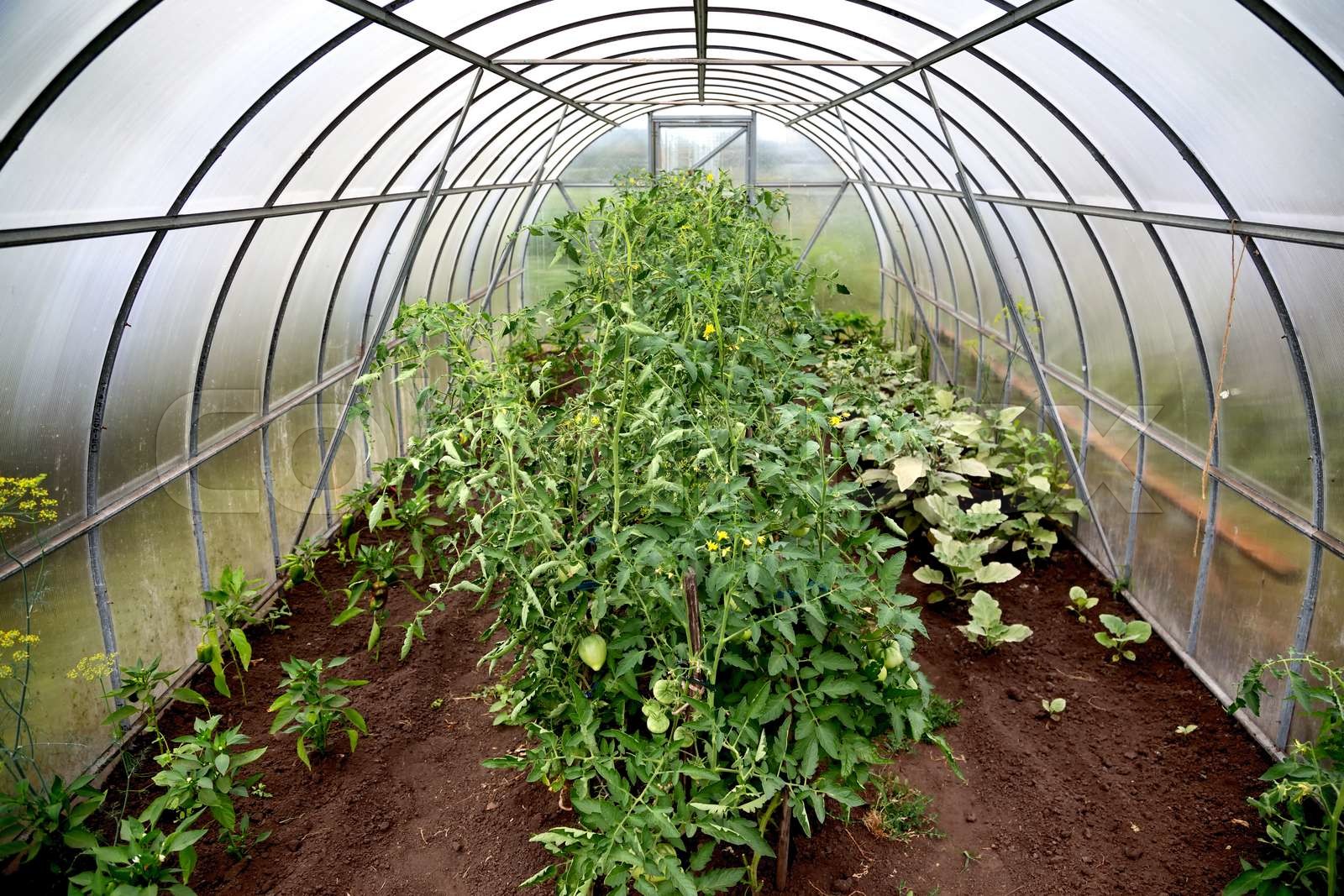
Imagine biting into a juicy, sun-ripened tomato, bursting with flavor, even in the dead of winter. Sounds like a dream, right? Well, with a little planning and the magic of a greenhouse, that dream can become your reality. Let's explore the wonderful world of growing tomatoes in a greenhouse, and unlock the secrets to a bountiful harvest all year round.
Why Choose a Greenhouse for Your Tomato Plants?
Growing tomatoes is a rewarding experience, but Mother Nature doesn't always cooperate. That's where a greenhouse comes in! Using a greenhouse for tomato plants offers a controlled environment that protects your precious plants from unpredictable weather, pests, and diseases. Think of it as a cozy, customized home just for your tomatoes, where you have the power to create the perfect growing conditions. But what are the specific advantages?
Extended Growing Season: The Gift of Time
One of the biggest benefits of a greenhouse is the extended growing season. Typically, tomatoes need warm weather to thrive, limiting your harvest to a few months. However, in a greenhouse, you can start your tomato plants earlier in the spring and continue harvesting well into the fall, or even year-round, depending on your climate and the heating system of your greenhouse. This allows you to enjoy fresh, homegrown tomatoes for a significantly longer period.
Protection from the Elements: Shielding Your Crop
Tomato plants are sensitive to extreme weather conditions. Frost, heavy rain, strong winds, and scorching sun can all wreak havoc on your crop. A greenhouse provides a protective barrier against these elements, preventing damage to your plants and ensuring a more consistent yield. For example, hail can destroy an entire tomato crop in minutes, but a greenhouse can shield your plants from this potential disaster.
- Frost Protection: Greenhouses provide a warmer microclimate.
- Wind Protection: Protects fragile stems and prevents dehydration.
- Rain Protection: Prevents soil erosion and reduces the risk of fungal diseases.
- Sun Protection: Some greenhouses have shade cloth to protect against scorching in the summer.
Pest and Disease Control: A Healthier Harvest
Pests and diseases are a constant threat to tomato plants. Aphids, whiteflies, and tomato hornworms can quickly decimate a crop, while diseases like early blight and blossom end rot can ruin your harvest. Greenhouses offer a physical barrier against many of these pests and diseases, making it easier to maintain a healthy and productive tomato garden. You'll be less reliant on pesticides, leading to healthier, more flavorful tomatoes. Furthermore, the controlled environment allows you to better manage humidity and temperature, which can further reduce the risk of fungal diseases. It's much easier to implement preventative measures and monitor your plants closely in the contained environment of a greenhouse.
Optimized Growing Conditions: Creating Tomato Paradise
With a greenhouse, you have the power to fine-tune the growing environment to meet the specific needs of your tomato plants. This includes controlling temperature, humidity, light, and ventilation. By providing the optimal conditions, you can maximize your tomato yield and improve the quality of your fruit.
Temperature Control: Finding the Sweet Spot
Tomatoes thrive in temperatures between 70°F and 85°F (21°C and 29°C) during the day and between 60°F and 68°F (16°C and 20°C) at night. A greenhouse allows you to maintain these ideal temperatures, even when the weather outside is less than ideal. You can use heaters to warm the greenhouse during cold weather and ventilation systems to cool it down during hot weather. Automatic temperature controllers can help to automate this process, ensuring that your tomatoes always have the perfect temperature.
Humidity Control: Striking the Right Balance
Tomatoes prefer a humidity level between 60% and 70%. High humidity can lead to fungal diseases, while low humidity can cause blossom end rot. A greenhouse allows you to control the humidity level by using ventilation systems and humidifiers or dehumidifiers. Monitoring the humidity level with a hygrometer is essential for maintaining optimal conditions.
Light Management: Soaking Up the Sunshine
Tomatoes need plenty of sunlight to produce a bountiful harvest. If your greenhouse is located in a shady area, you may need to supplement with artificial lighting. Grow lights can provide the necessary light for your tomato plants, especially during the winter months. LED grow lights are an energy-efficient option that can help you to maximize your tomato yield.
Ventilation: Keeping the Air Flowing
Proper ventilation is crucial for preventing fungal diseases and maintaining a healthy growing environment. Ventilation helps to circulate the air, preventing stagnant air from building up and creating a breeding ground for pathogens. Greenhouses should have vents or fans that can be opened to allow fresh air to enter. Automatic ventilation systems can be programmed to open and close the vents based on temperature and humidity levels.
Choosing the Right Greenhouse for Your Tomato Plants
Now that you know the benefits of growing tomatoes in a greenhouse, let's talk about choosing the right greenhouse for your needs. There are several factors to consider, including size, materials, and cost.
Greenhouse Size and Location: Space to Grow
The size of your greenhouse will depend on the number of tomato plants you want to grow and the amount of space you have available. A small greenhouse may be sufficient for a hobby gardener, while a larger greenhouse may be necessary for commercial production. Consider the mature size of your tomato plants when planning your greenhouse. Also, consider the location! Pick a sunny spot in your yard that is protected from strong winds. Ideally, the greenhouse should receive at least six hours of sunlight per day.
Greenhouse Materials: Strength and Durability
Greenhouses are typically made of glass, polycarbonate, or polyethylene film. Glass greenhouses are the most traditional and offer excellent light transmission, but they are also the most expensive and can be easily broken. Polycarbonate greenhouses are more durable and offer good light transmission, but they are also more expensive than polyethylene film greenhouses. Polyethylene film greenhouses are the most affordable option, but they are less durable and offer lower light transmission. Consider your budget and the climate in your area when choosing greenhouse materials.
- Glass: Excellent light transmission, aesthetically pleasing, but fragile and expensive.
- Polycarbonate: Durable, good light transmission, but more expensive than polyethylene.
- Polyethylene Film: Affordable, lightweight, but less durable and lower light transmission.
Greenhouse Frame: Structure and Support
The frame of your greenhouse provides the structural support for the glazing materials. Greenhouse frames are typically made of wood, metal, or PVC. Wood frames are aesthetically pleasing, but they can rot over time. Metal frames are durable and long-lasting, but they can be expensive. PVC frames are affordable and easy to assemble, but they are not as strong as wood or metal frames.
Budget Considerations: Finding the Right Balance
Greenhouse prices can vary widely depending on the size, materials, and features. Before you start shopping, set a budget and stick to it. Consider the long-term costs of owning a greenhouse, such as heating, ventilation, and maintenance. You may be able to save money by building your own greenhouse, but be sure to research the project thoroughly before you start.
Growing Tomatoes in a Greenhouse: Best Practices
Once you have chosen the right greenhouse for your needs, it's time to start growing tomatoes! Here are some best practices for growing tomatoes in a greenhouse:
Choosing the Right Tomato Varieties: Selecting for Success
Not all tomato varieties are well-suited for greenhouse growing. Choose varieties that are disease-resistant and known for their productivity in controlled environments. Indeterminate varieties, which continue to grow and produce fruit throughout the season, are often a good choice for greenhouse growing. Popular greenhouse tomato varieties include 'Early Girl,' 'Celebrity,' 'Big Beef,' and 'Sweet Million.' Consider your personal preferences when choosing tomato varieties. Do you prefer slicing tomatoes, cherry tomatoes, or paste tomatoes?
Soil and Nutrients: Feeding Your Plants
Tomatoes need well-drained, fertile soil to thrive. You can grow tomatoes in the ground, in raised beds, or in containers. If you are growing tomatoes in containers, be sure to use a high-quality potting mix that is specifically designed for vegetables. Amend your soil with compost or other organic matter to improve drainage and fertility. Fertilize your tomato plants regularly with a balanced fertilizer.
Watering: Keeping Your Plants Hydrated
Tomatoes need consistent watering to produce a bountiful harvest. Water your tomato plants deeply and regularly, especially during hot weather. Avoid overwatering, which can lead to root rot. Drip irrigation is an efficient way to water tomato plants, as it delivers water directly to the roots.
Pruning and Training: Shaping Your Plants
Pruning and training are essential for maximizing tomato yield in a greenhouse. Pruning helps to improve air circulation and light penetration, while training helps to support the plants and keep them from sprawling. Remove suckers, which are the shoots that grow between the main stem and the branches. Train your tomato plants to a stake, trellis, or cage.
Pollination: Ensuring Fruit Set
Tomatoes are self-pollinating, but they may need some assistance in a greenhouse environment. Bees and other pollinators may not be able to access your greenhouse, so you may need to hand-pollinate your tomato plants. You can do this by gently shaking the plants or by using a small brush to transfer pollen from the male parts of the flower to the female parts.
Troubleshooting Common Problems: Addressing Challenges
Even with the best planning and care, you may encounter some problems when growing tomatoes in a greenhouse. Here are some common problems and how to troubleshoot them:
Blossom End Rot: Calcium Deficiency
Blossom end rot is a common problem that causes the bottom of the tomato to turn black and leathery. This is caused by a calcium deficiency, which can be due to a lack of calcium in the soil or inconsistent watering. To prevent blossom end rot, amend your soil with calcium and water your tomato plants consistently.
Fungal Diseases: Preventing Spread
Fungal diseases, such as early blight and Septoria leaf spot, can be a problem in greenhouses due to the humid environment. To prevent fungal diseases, provide good ventilation, avoid overwatering, and remove any infected leaves. You can also use a fungicide to control fungal diseases.
Pests: Identifying and Eliminating Threats
Pests, such as aphids, whiteflies, and spider mites, can infest tomato plants in greenhouses. To control pests, inspect your plants regularly and remove any pests you find. You can also use insecticidal soap or neem oil to control pests. Beneficial insects, such as ladybugs and lacewings, can also help to control pests in your greenhouse.
Harvesting and Enjoying Your Tomatoes
The moment you've been waiting for! Tomatoes are ready to harvest when they are fully colored and slightly soft to the touch. Gently twist the tomato from the vine. Store your tomatoes at room temperature for the best flavor. Enjoy your homegrown tomatoes in salads, sandwiches, sauces, and more!
Growing tomatoes in a greenhouse can be a rewarding experience. With a little planning and care, you can enjoy fresh, homegrown tomatoes all year round. Happy gardening!